

대영박물관(The British Museum) 'BTS THE CITY ARIRANG' 한국실 트레일(7/6-23)
BTS THE CITY ARIRANG Korea gallery trail
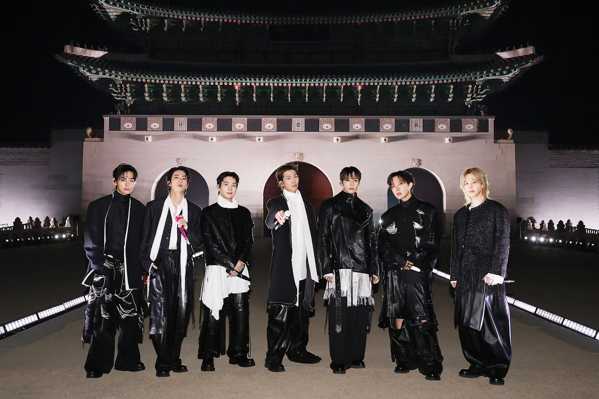
Photo: BIGHIT / Netflix
세계적인 아티스트 BTS의 다섯 번째 정규 앨범 'ARIRANG' 발매와 대영박물관의 새로운 특별전 '한반도(Korea)' 개최를 기념하여, 한국실(67호실)에서 특별한 오브젝트 트레일이 진행됩니다.
이번 트레일은 런던 전역이 BTS의 팬 경험 공간으로 변신하는 도시형 축제인 'BTS THE CITY ARIRANG'의 일환으로 기획되었습니다. 김상아 전시 큐레이터의 안내와 함께, 한국의 전통 민요 '아리랑'과 오늘날의 K-컬처를 잇는 5가지 상징적인 문화유산을 만나보세요.
행사 상세 정보
소요 시간: 약 20분
장소: 대영박물관(The British Museum) 67호실 한국실(Korea Foundation Gallery)
운영 기간: 2026년 7월 6일 ~ 7월 23일
주의 사항: 7월 13일-17일은 한국실 임시 휴관으로 트레일 이용이 불가합니다.
트레일에서 만나는 5가지 핵심 전시품
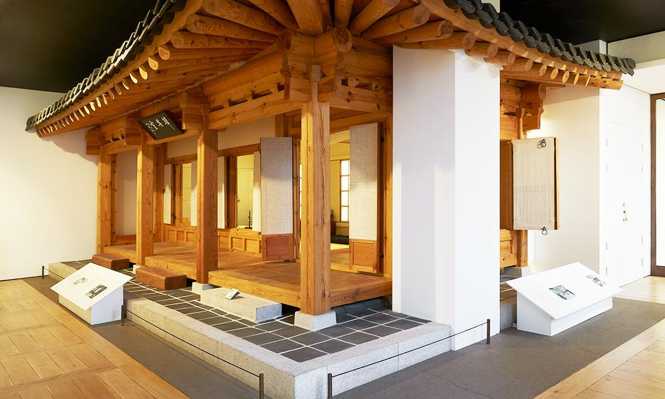
1. 사랑방 (Sarangbang)
조선 시대(1392~1897) 선비들이 학문을 닦고 예술을 논하던 공간입니다. 전시된 사랑방은 2000년 여름, 한국의 현대 무형문화재 장인들이 19세기 양반 가문의 사랑방을 그대로 재현해 만든 것입니다. 활짝 열린 사랑방의 문은 새로운 시작을 향한 초대이자, BTS 앨범 'ARIRANG'을 관통하는 주제인 낙관주의와 추진력을 상징합니다.
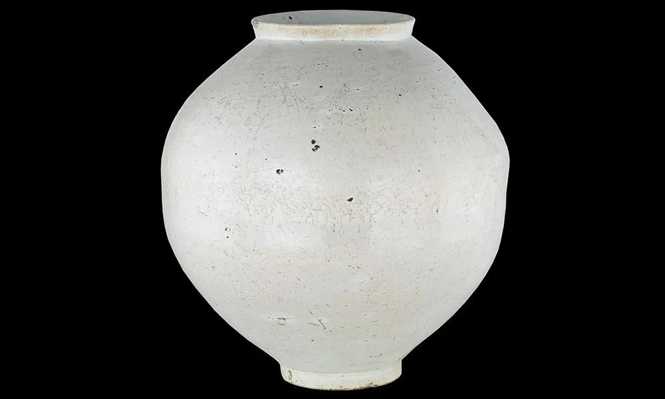
2. 달항아리 (Moon jar)
두 개의 반구를 빚어 하나로 합쳐서 완성하는 백자 달항아리는 한국을 대표하는 도자기 예술품입니다. 완벽한 대칭 대신 자연스러운 곡선미를 자랑하는 달항아리는, 많은 이들에게 한반도의 남과 북, 그리고 그 안의 공동의 인류애를 연상시킵니다. 과거와 현대의 수많은 예술가들에게 영감을 주는 한국적 정체성의 정수입니다.
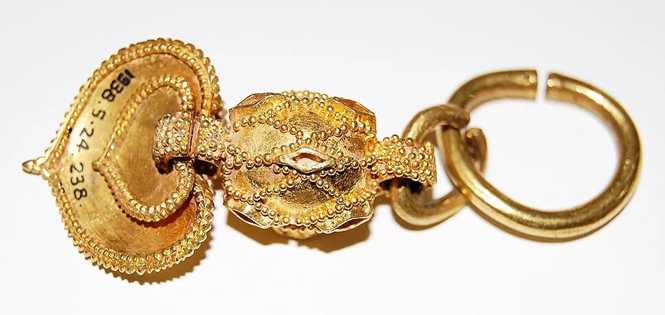
3. 금귀걸이 (Gold earring)
신라 시대(서기 400~500년)의 정교한 황금 귀걸이입니다. 얇은 금실을 꼬아 만드는 누금세공(filigree)과 미세한 금 알갱이를 붙이는 과립기법(granulation) 등 당시 최고 수준의 금속 공예 기술을 보여줍니다.
앨범과의 연결고리: 'ARIRANG' 앨범의 수록곡 중 하나인 'No. 29'에는 국보 제29호 성덕대왕신종(에밀레종)의 종소리가 샘플링되어 울려 퍼집니다. 이 귀걸이는 종이 만들어진 신라 시대의 찬란한 예술적 성취를 대변합니다.
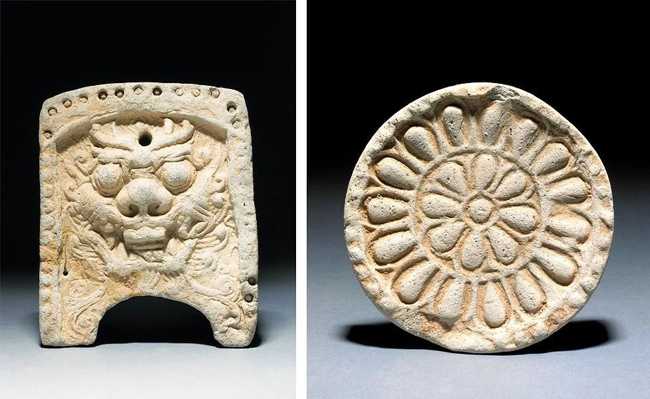
4 & 5. 수막새 (Roof tiles)
고대 신라의 궁궐이나 사찰의 기와 끝을 장식하던 점토 기와(수막새)입니다. 비록 옛 건물들은 사라졌지만, 기와에 새겨진 불교의 연꽃무늬(신성함), 포도덩굴(번영), 도깨비 얼굴(벽사 및 액막이) 등은 당시 신라의 예술적 야망을 그대로 전해줍니다. 모진 세월을 견뎌내고 살아남은 이 기와 조각들은 어떠한 역경 속에서도 끊임없이 재생하고 인내해 온 한국 문화의 생명력을 보여주며, 과거와 현재를 연결하는 'ARIRANG'의 메시지와 맞닿아 있습니다.
*참고 정보: 트레일 기간 이후, 대영박물관에서는 2,000년 한반도의 창의적 역사를 총망라하는 대규모 특별전 'Korea'가 개최됩니다. (전시 기간: 2026년 10월 1일 ~ 2027년 1월 31일)
번역: 구글 제미나이(Google Gemini)
BTS THE CITY ARIRANG Korea gallery trail
Trail information
Duration: About 20 minutes
Room 67, Korea gallery
View the Museum map(Opens in new window)
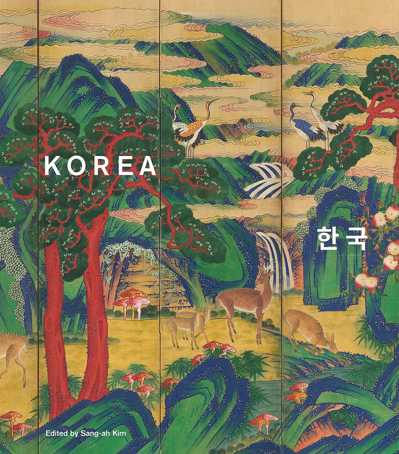
See the 'Korea' exhibition
Korea is open 1 October 2026 – 31 January 2027. Room 35, The Joseph Hotung Great Court Gallery
Book tickets(Opens in new window)
What do the latest album from global music sensation BTS and the British Museum's Korea gallery have in common? Rather a lot as it turns out!
BTS's fifth studio album ARIRANG takes its motif from the Korean folk song that has become an enduring symbol of Korean identity and cultural heritage.
So, in celebration of our new show-stopping exhibition Korea, exploring 2,000 years of creativity on the peninsula, we've created a trail around The Korea Foundation Gallery (Room 67) of five objects exploring those themes.
The trail is part of BTS THE CITY ARIRANG(Opens in new window) – London's citywide celebration transforming the capital into an immersive fan experience, highlighting locations and activities supporting the BTS WORLD TOUR ARIRANG – in London. The trail will run 6–23 July 2026. Please note, the gallery will be closed 13–17 July.
Join exhibition curator, Sang-ah Kim, for a quick tour of objects in the gallery that speak to Arirang and the creative history that continues to shape K-culture.
A reconstruction of a sarangbang, or scholar's study, built by contemporary Korean master craftsmen in summer 2000.
1. Sarangbang 사랑방
The sarangbang (scholar's room) was traditionally a room for learning, creativity and conversation within the home in the Joseon dynasty (1392–1897). Its open doors invite visitors to come in, reflect and discover.
This full-scale reconstruction was built by Korean master craftsmen in summer 2000 and represents a sarangbang from a 19th-century yangban (upper-class noble).
The open doors can be seen as an invitation towards new beginnings, reflecting themes of optimism and momentum (themes that run throughout ARIRANG).
A room made from wooden pillars with an ornate wooden roof projecting from it, displayed in a museum gallery - a reconstruction of a Korean sarangbang, a scholar's study.
A reconstruction of a sarangbang, or scholar's study, built by contemporary Korean master craftsmen in summer 2000.
2. Moon jar 달항아리(백자대호 白磁大壺)
The moon jar is one of Korea's most celebrated ceramic forms. Created by joining two separately thrown halves into a single vessel, each example is unique, with subtle variations that reflect the hand of its maker.
To many people, they also represent the two ends of the Korean peninsula and their shared humanity. Its gentle form and quiet beauty have made it an enduring symbol of Korean craftsmanship and identity – and artists continue to draw inspiration from the moon jar today.
Silla Kingdom 신라
One of the tracks on ARIRANG, No. 29, is simply the sound of the Bell of King Seongdeok (National Treasure No. 29) being struck, with its resonance playing throughout.
The largest surviving bell in the country, the Bell of King Seongdeok is one of Korea's most celebrated historic objects. While the bell is not on display at the British Museum, the Korea gallery includes remarkable objects from the Silla Kingdom (57 BC–AD 935), during which the bell was created. Together, they offer an insight into a kingdom renowned for its artistic achievement and craftsmanship.
3. Gold earring 금귀걸이
These exquisite earrings show just how advanced Korean goldsmithing was in the first century AD. Crafted using sophisticated techniques including filigree (where you twist, curl and weave fine threads of precious metals into intricate, lace-like patterns) and granulation (where you decorate metal surfaces with tiny, perfectly spherical beads), they are testament to Korea's deep-rooted tradition of craftsmanship.
4 and 5. Roof tiles 수막새
For an idea of what the capital of the Silla Kingdom was like, we can turn to the roof tiles that once adorned some of the many palaces, administrative buildings and Buddhist temples in this once flourishing city.
While none of the buildings themselves have survived intact, the roof tiles speak to the architectural ambition and cultural vitality of the age. Moulded from clay and kiln-baked in their thousands, these tiles were both functional and decorative, featuring lotus flowers sacred to Buddhism, grapevines symbolising prosperity, and fantastical beasts at the corners of roofs, believed to ward off evil spirits.
These small, fired fragments of clay have outlasted the very buildings they once sheltered, enduring witnesses to a culture that has always found ways to persevere and renew itself. Having survived for centuries, these roof tiles are a reminder of the enduring legacy of Korean art and culture. As you explore them, consider how ARIRANG also draws on Korea's cultural heritage, creating new connections between the past and the present.
https://www.britishmuseum.org/visit/object-trails/bts-city-arirang-korea-gallery-trail
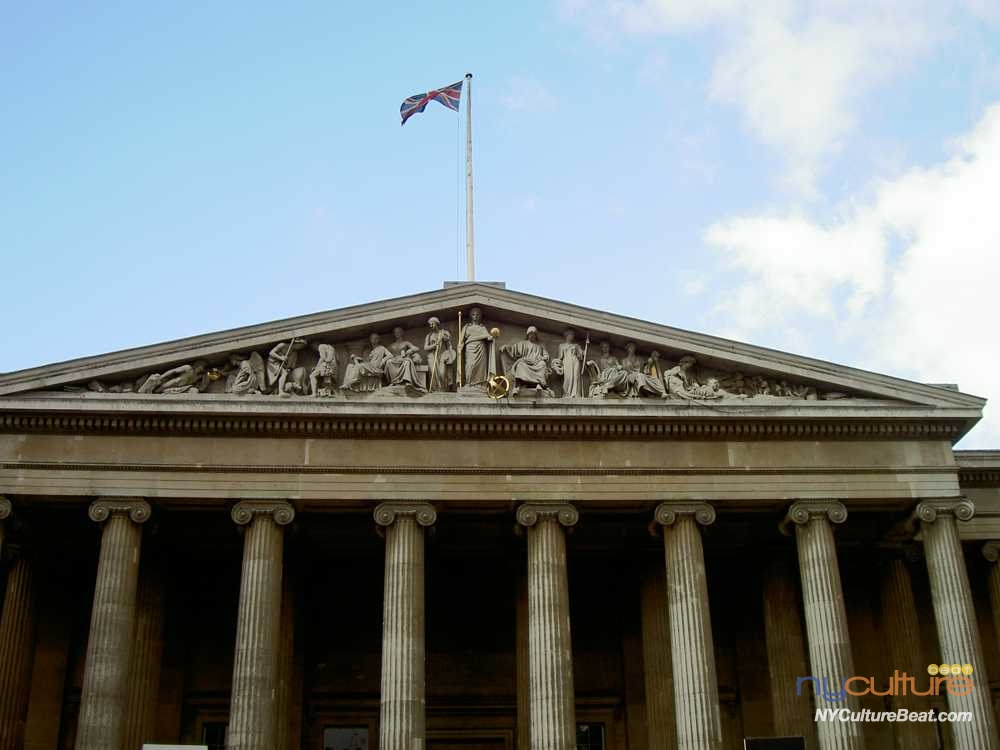
The British Museum, London
 제이지(Jay-Z) 양키스타디움 콘서트 4시간 지연, 새벽 3시 끝나
 아트판 갤러리(NJ) +뉴욕한인예술인연합(KANA) 2026 개인전 작가 ...