

메트뮤지엄: 인디언원주민 출신 추상표현주의 화가 조리 모리슨 전시 'The Magical City: George Morrison's New York'
The Magical City: George Morrison's New York
July 17, 2025–May 31, 2026
The Met Fifth Avenue, Gallery 746 North
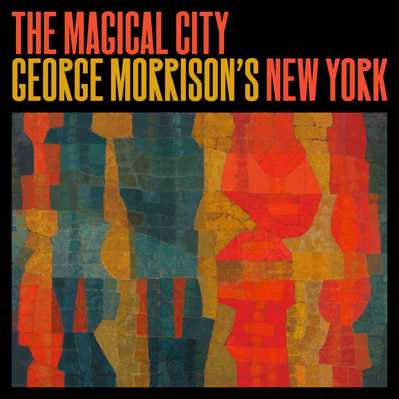
잭슨 폴락, 윌렘 드 쿠닝, 프란츠 클라인 등과 함께 뉴욕에서 활동했던 추상표현주의 작가 조지 모리슨(George Morrison, 1919-2000)의 개인전 'The Magical City: George Morrison's New York'이 메트로폴리탄뮤지엄(7/17-5/31)에서 열리고 있다. 미네소타 인디언원주민 오지브웨족(Ojibwe)인 그의 본명은 'Wah Wah Teh Go Nay Ga Bo'로, '북극광 속에 서 있는 자(Standing In the Northern Lights)'라는 뜻이다.
미네소타주 그랜드포티지의 원주민보호구역에서 12남매 중 한명으로 태어난 조지 모리슨은 수술 후 온몸에 기브스를 대고 수새월 요양생활하던 중 그림을 그리기 시작했다. 미니애폴리스미술학교를 거쳐 1943년 뉴욕의 아트스튜던트리그에서 수학했다. 이즈음 큐비즘과 초현실주의를 접했다. 1952년 풀브라이트장학금을 받고 파리의 에콜데보자르와 앙티브(Antibes), 엑사-마르세이유대학에서 수학 후 뉴욕에서 추상표현주의 화가들과 교류했다. 이후 로드아일랜드디자인학교(RISD)와 미네소타대 교수로 재직했다.
2020년 워싱턴 D.C. 국립미술관(National Gallery of Art)의 '뉴욕 스쿨(New York School)' 소장품 목록에 이름을 올린 최초의 아메리카 원주민 예술가가 되었다. 2022년엔 미 우정국(USPS)이 모리슨의 작품 5점을 담은 기념우표 시리즈를 발행했다.
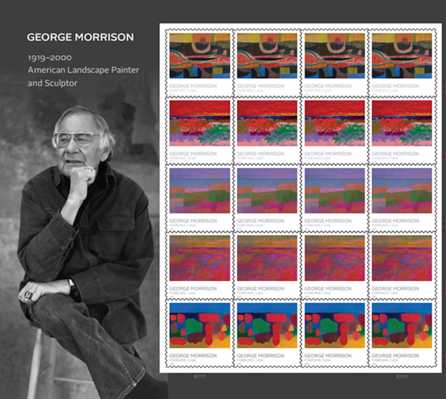
(New York, June 17, 2025)—This summer, The Metropolitan Museum of Art will present The Magical City: George Morrison’s New York, opening July 17, 2025. Born in Chippewa City, a remote Native American village on the shore of Lake Superior in northern Minnesota, George Morrison (Wah-wah-ta-ga-nah-gah-boo and Gwe-ki-ge-nah-gah-boo, Grand Portage Band of Lake Superior Chippewa, 1919–2000) overcame innumerable challenges—poverty, a life-threatening childhood illness, social isolation, racial and cultural barriers—to become a leader of the American Abstract Expressionist movement, which he collaboratively defined both publicly and behind the scenes.
The exhibition is made possible by The Met’s Fund for Diverse Art Histories and the Barrie A. and Deedee Wigmore Foundation.
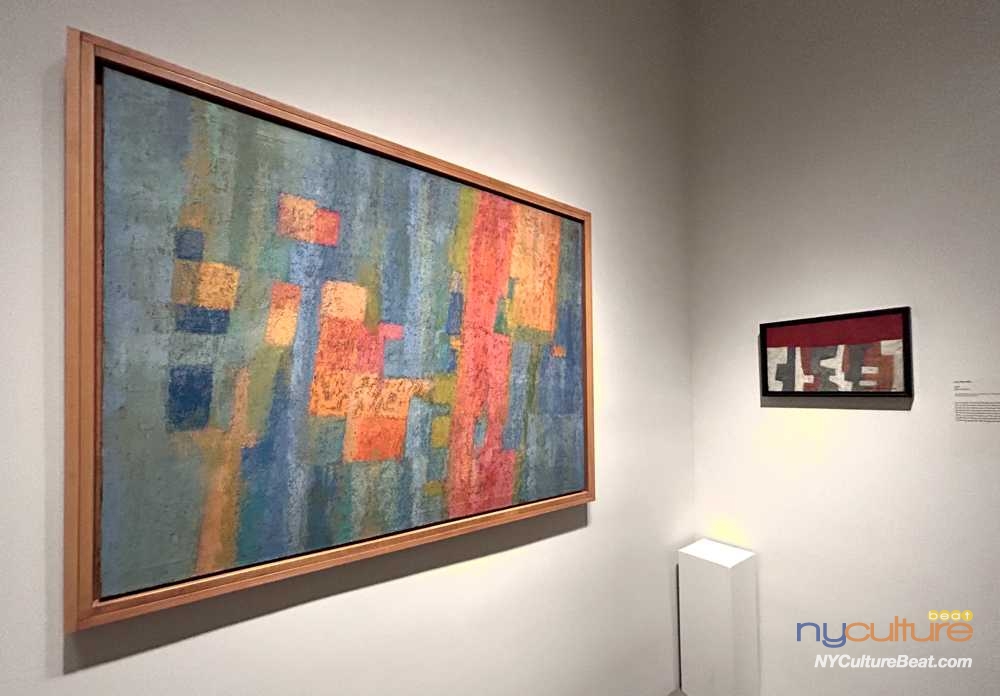
The Magical City: George Morrison's New York, The Metropolitan Museum of Art
“George Morrison’s life and work has inspired generations of artists,” said Max Hollein, The Met’s Marina Kellen French Director and Chief Executive Officer. “Anchored by works from his time in New York, this meaningful exhibition celebrates Morrison’s creative achievements and explores how his American Indigenous perspective shaped his unique cultural legacy.”
Morrison’s influence on the American Abstract Expressionist movement began in September 1943, when he arrived in New York City by train to study at the Art Students League on a fine arts scholarship. Immersing himself in the city’s vibrant cultural scenes, Morrison studied painting and drawing, contributed to numerous exhibitions and publications, and openly challenged the mainstream art establishment of his generation. He also formed important connections with peer artists including Willem de Kooning, Franz Kline, Lois Dodd, and Louise Nevelson, among others. Morrison’s deep appreciation for urban life—specifically industrial landscapes, jazz, and literature—shaped his artistic practice and imagery and permanently impacted the trajectory of the New York School.
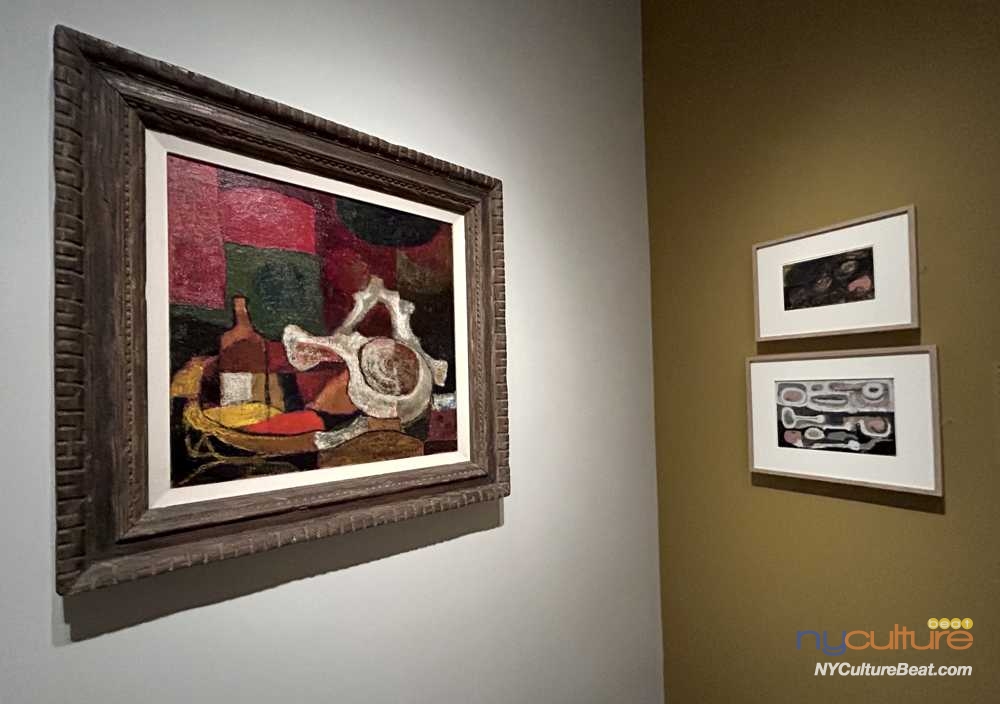
The Magical City: George Morrison's New York, The Metropolitan Museum of Art
Technically trained in figure drawing, portraiture, landscape painting, and graphic arts, Morrison shifted to abstract approaches in his New York years, specifically automatism, propelling his unique visual language—a fusion of his interest in the subconscious, Ojibwe aesthetic sensibilities, and ties to his homelands. The artist’s involvement with the rise of Abstract Expressionism enhanced the movement’s broader “American” context by imbuing it with a distinctive Indigenous perspective. Between 1943 and 1970, Morrison lived and worked in New York and regularly exhibited in group shows and solo exhibitions. His work was consistently noted by well-known art critics. A 1953 Fulbright Scholarship to study at the Ecole des Beaux-Arts and the University of Aix-Marseilles in France—followed by a John Jay Whitney Fellowship the same year—earned him international recognition.
Morrison’s prolific career lasted until 2000, long after his return to Minnesota from New York. It culminated with his famous Horizon Series, a suite of small-scale oil and acrylic paintings that synthesized his technical skill and creative imagination with his love for his home on the Grand Portage Indian Reservation, along the north shore of Lake Superior.
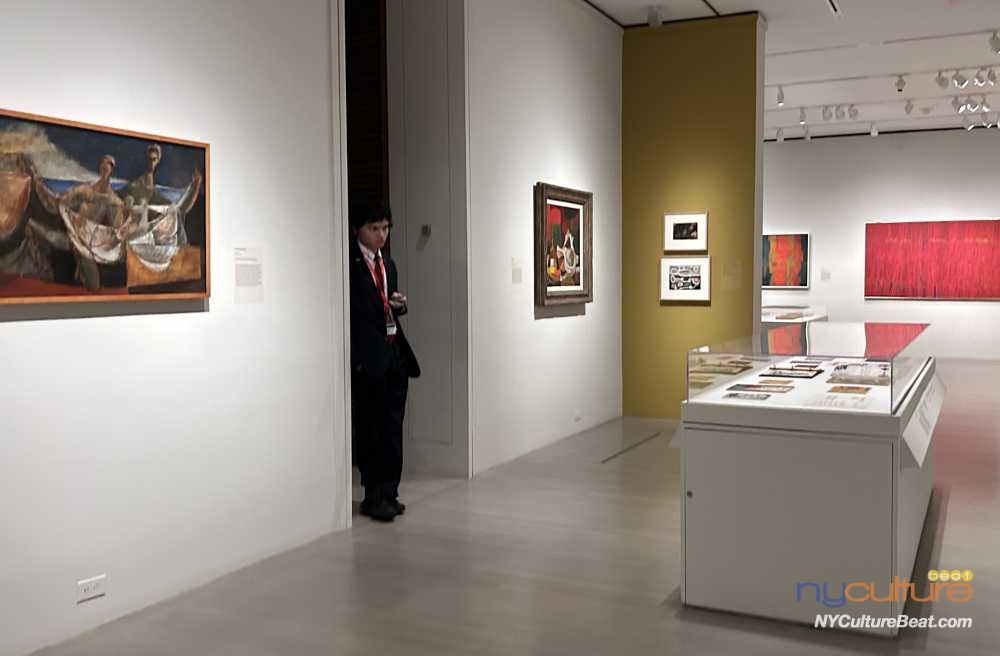
The Magical City: George Morrison's New York, The Metropolitan Museum of Art
Patricia Marroquin Norby (P’ urhépecha), Associate Curator of Native American Art in The Met’s American Wing, said: “This celebration of George Morrison’s work at The Met is long overdue. We are thrilled to honor the artist’s major contributions to the New York School with this exhibition and publication. Morrison strongly impacted the development of the American Abstract Expressionist movement as well as the work of his professional colleagues—artists who respected him as a leader and a voice for their generation. This exhibition offers an important opportunity to engage deeply with Morrison’s evolving practice, supported by rarely seen archival materials that reveal the depth and complexity of his artistic journey.”
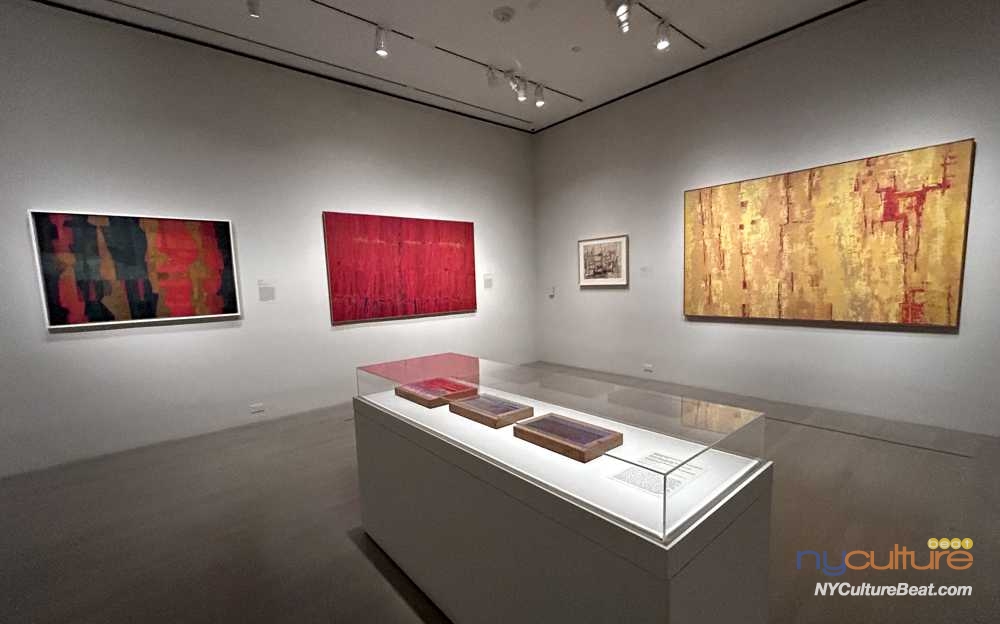
The Magical City: George Morrison's New York, The Metropolitan Museum of Art
The exhibition asserts Morrison’s significant contributions to the New York School and explores his urban aesthetic inspirations that were rooted in his love of New York, which he called a “Magical City.” Featuring 35 of his paintings and drawings, including a number of generous loans from the Minnesota Museum of American Art, the exhibition culminates in his Horizon Series. It also features rare archival material that places Morrison at the heart of the Abstract Expressionist movement in New York in the 1940s and 1950s. The exhibition will debut two works recently acquired by The Met: White Painting (1965), the first oil painting by Morrison to enter the Museum’s collection, in 2021, and Construction in Fantasy (1953), a gouache and ink drawing that the artist created in France on the Côte d’Azur, acquired by The Met in 2023.
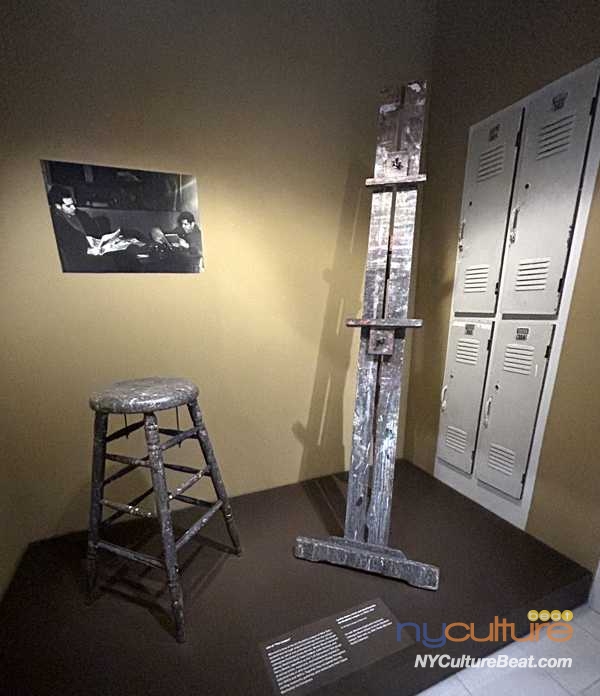
The Magical City: George Morrison's New York, The Metropolitan Museum of Art
 메트오페라 '프리다와 디에고의 마지막 꿈(El Último Sueño de Fr...
 MFIT: '아트 x 패션(Art x Fashion)' 심포지엄(3/27)