

The King’s Warden/ 왕과 사는 남자
The King's Warden and the Return of a Lost King
Collective Memory, Unofficial History, and the Korean Zeitgeist
*1천만명 돌파 '왕과 사는 남자(The King’s Warden)' 흥행 이유: 시대의 아킬레스건과 집단정서를 건드리다 <Korean version>
https://www.nyculturebeat.com/
The King's Warden
On the afternoon of March 3 at AMC 25 in Times Square, I watched The King's Warden (*Korean title: The Man Who Lived with the King) and found myself in tears. It had been a long time since I last cried in a movie theater. In the heart of New York, the theater was packed with Korean audiences, and watching a historical drama screened simultaneously with Korea made me truly feel the power of the Korean Wave. In an era dominated by streaming on handheld devices, what explains this film's extraordinary milestone of more than 10 million theater admissions?
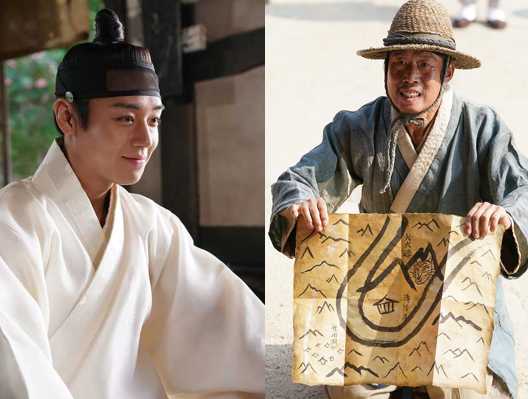
Directed by Jang Hang-jun, The King's Warden tells the story of Danjong (Yi Hong-wi, 1441–1457), the sixth king of Joseon, who was deposed by his uncle Prince Suyang (later King Sejo) and exiled to Gwangcheongol in Yeongwol, Gangwon Province, along with Eom Heung-do, the village head tasked with surveilling him. It is a historical fiction (faction) that blends real events with cinematic imagination.
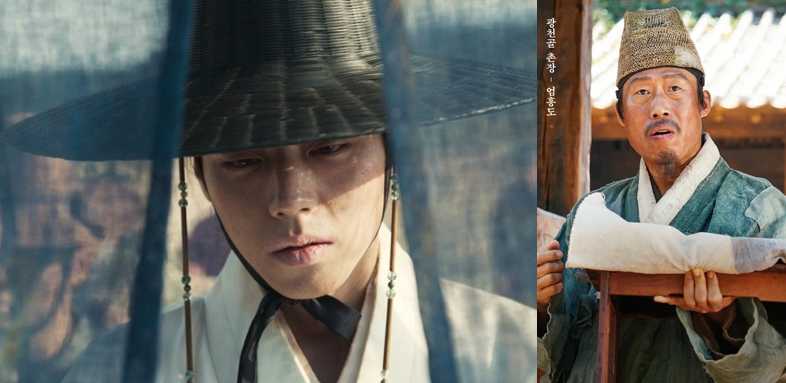
The direction may not be described as outstanding, but the fiery ensemble acting of the three leads—Yoo Hae-jin, Park Ji-hoon, and Yoo Ji-tae—completely dominates the screen. It's often said that theater is the art of actors, while film is the art of directors. Yet in The King's Warden, it is the actors' faces—magnified in powerful close-ups—that propel the narrative forward.
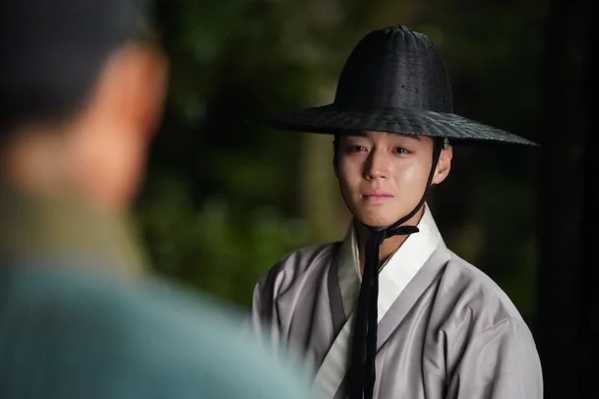
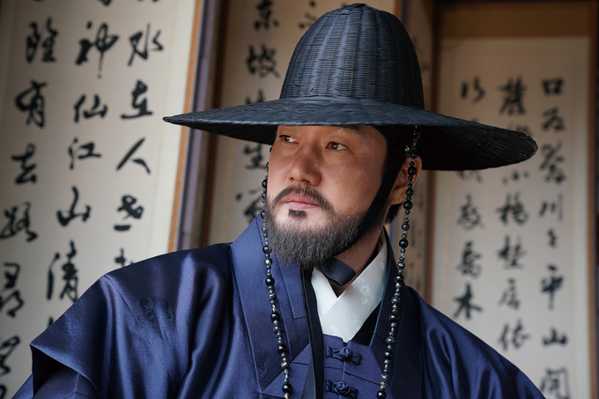
Yoo Hae-jin's village head, with eyes that seem torn from a history textbook; Park Ji-hoon's fallen king, with noble yet sorrowful eyes; Yoo Ji-tae's sly, contemptuous gaze as he seizes power—these faces expand across the big screen, creating a powerful synergy. The trio's performance in the scene where the village head's son is beaten with a stick at the government office sends chills down the spine.
And this film touches the collective psyche of Koreans.
The King's Warden
Greek Tragedy and Pietà
The King's Warden evokes Greek tragedy and the Pietà. The story of Danjong, demoted to Prince Nosan, recalls the tragic fate of Oedipus—not because of personal flaws, but because of destiny governed by birth and power. As the grandson of King Sejong and the eldest son of King Munjong, Danjong ascended the throne at age 12 after the successive deaths of his mother, grandparents, and father. But just a year later, he was deposed in Prince Suyang's military coup and exiled to Cheongnyeongpo.
The crowd scenes of villagers and officials function like the chorus in ancient Greek tragedy, bearing witness to the unfolding events. The king's downfall, isolation, and tragic end provide dramatic catharsis. We shed tears for the boy king's death and experience emotional purification. The cold corpse floating in the river symbolizes a sacrificial victim in Korea's long history of suffering.
One of the most heart-wrenching scenes is the depiction of Danjong's death. At the king's request, Eom Heung-do tightens the noose around his neck from outside the door. Director Jang Hang-jun boldly omits the boy's pained gestures, showing only a close-up of his eyes. Instead, we see Eom Heung-do outside the door, his face flushed with grief, sobbing as he says, “We've reached the river. Rest in peace now.” That river is the water of Cheongnyeongpo, the Yellow Springs dividing this world and the next, the Jordan River of the Bible, and the River Styx of Greek myth. The unseen agony of the young king intensifies in the audience's imagination. Viewers weep with the survivor's sorrow—alongside Eom Heung-do who assisted the suicide, and the villagers who witnessed the king's end.
The scene where Eom Heung-do retrieves Danjong's body from the river recalls Michelangelo's Pietà—the sorrowful image of the Virgin Mary cradling the crucified Jesus. The bond between the king and the village head, deepened like that between father and son, is profoundly moving.
The King's Warden
Western, Buddy Movie, Coming-of-Age
The King's Warden avoids remaining a mere tragedy thanks to Jang Hang-jun's humor and Yoo Hae-jin's comedic flair. The director, known for his witty appearances on shows like You Quiz on the Block, Knowing Bros, and Hangout with Yoo, breathes life into the drama through the former clown-turned-village head's humor. Yet those laughs serve only as a prelude to overwhelming tragedy.
The film also incorporates familiar Hollywood genres.
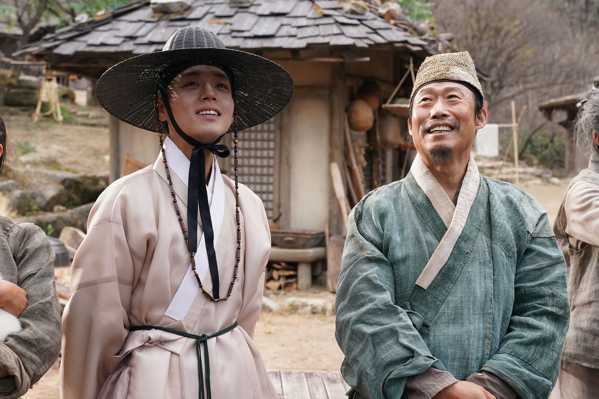
The humble village head dreams simply of feeding his family rice, educating his son, and living well together—without selfish greed. Hoping to benchmark a successful exile case from a neighboring village, he lobbies to bring the exile to his town—only to receive the deposed king. The lofty palace king meets the warm-hearted but ignorant village head, and their surveillance duty evolves into a quirky partnership: heaven and earth, gold spoon and dirt spoon. Their clashes, gradual alliance, and growing bond resemble a Hollywood buddy movie.
One day, the village head saves the king from a suicide attempt on a cliff; later, the king memorizes and calls out the names of those who prepared his meal, sharing the table with them. Danjong teaches the village head's son and even shoots a tiger with an arrow, demonstrating leadership and resolve. Exiled from the ninefold palace, the king learns about the people, shares knowledge, and grows in humanity and virtue. The once frail and sorrowful boy matures through his interaction with commoners, dreaming of restoration. Exile becomes the training ground for his growth.
The King's Warden
Meanwhile, the triangle of king, village head, and Han Myeong-hoe reads like a Hollywood Western: a righteous stranger arrives in a lawless frontier town to confront the villain.
Danjong, exiled after the coup, is the outsider bringing justice; the village head is the sheriff protecting the town; Han Myeong-hoe is the outlaw. This familiar structure—tension turning to cooperation and loyalty—makes the narrative intuitive and comforting. Yet there is no Hollywood happy ending or clear triumph of good over evil: Sejo, who usurped the throne in 1453 and executed the Six Martyred Ministers, ruled until his death in 1468.
The King's Warden
The Korean DNA: Han, Jeong, and Eat, Drink, Sing & Dance
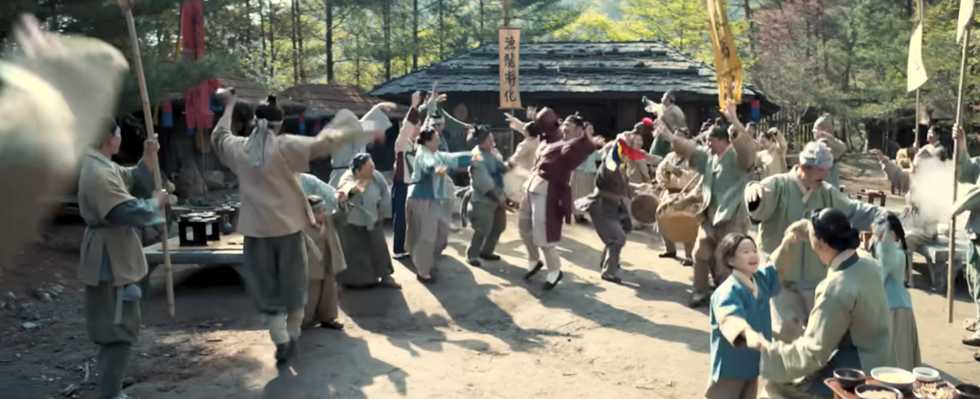
The King's Warden fully unfolds the Korean emotional DNA: han (pent-up sorrow), jeong (deep affectionate bonds), and the spirit of eating, drinking, singing, and dancing that runs deep in Korean culture.
Eom Heung-do, a former clown, delivers humorous lines rooted in that tradition. The festive scenes of villagers dancing, feasting, and warmly welcoming the young king contrast sharply with the impending tragedy.
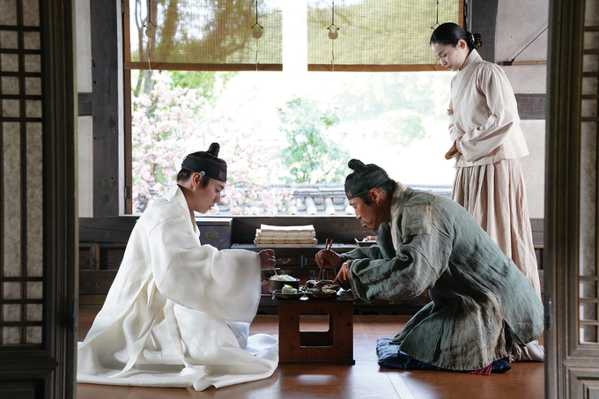
Villagers worry over the fasting king and express jeong through the symbolic "table of food." The boy king learns about the world through interaction with the grassroots; he calls each person's name who contributed to the meal, affirming their dignity.
Eom Heung-do's grief over the "flower that never bloomed"—Danjong's death—condenses the han accumulated through wars, colonization, division, dictatorship, martial law, and impeachments. For some viewers, the image of water and death may evoke collective trauma from the Sewol disaster.
The palace king learns human dignity from the mountain village head. The head is a leader recognized for responsibility and duty within the community. The king learns not the techniques of ruling, but the attitude of humanity. In this process, reconciliation between gold spoon and dirt spoon, parental zeal for education, and communal warmth offer emotional comfort.
The King's Warden
Equality at the Table and the Virtues of Leadership
One touching scene shows the fasting Danjong finally sitting at the table, addressing each person by name who contributed to the meal before sharing it equally. Calling them by name acknowledges the existence of the commoners; sharing the table dismantles hierarchy. Palace vertical order becomes horizontal equality at the table. Dignity stems not from status but from attitude. In the humblest mountain village, the king learns humanity. This small, flowing utopia feels almost like a fairy tale.
Later, the matured leader Danjong visits the government office where the village head's bloodied son is being punished. Though powerless and deposed, he displays dignified authority. Here—the king's command, Han Myeong-hoe's threat, and the village head's betrayal—reach the climax of conflict. Eom Heung-do's choice, torn between power, loyalty, and paternal love, is astonishing. We ask ourselves: what choice would we make in a moment of crisis? In that sense, the film feels like a moral textbook.
Status and power distinctions vanish; only human dignity and choice remain. Whether in palace or village, in times of crisis—what do we choose? To whom do loyalty and filial piety belong? Can manners and duty endure before power? Can we choose hope?
In the end, the name plaques of king and village head hang side by side on a tree by Cheongnyeongho—quietly proclaiming equality before death. Perhaps this is why the Korean title, "The Man Who Lived with the King," hints at a kind of utopia in which a king and a village commoner could stand as equals.
The King's Warden
From Official History to Unofficial Narrative
History is written by the victors. What makes The King's Warden linger is its revival of the unofficial story of the defeated rather than the official history of the victors. Prince Suyang's 1453 coup is recorded as "Gye-yu Jeongnan"("pacifying chaos"), a term already laden with the victor's logic—legitimizing his own actions. In reality, it was a military coup that stole a young nephew's throne.
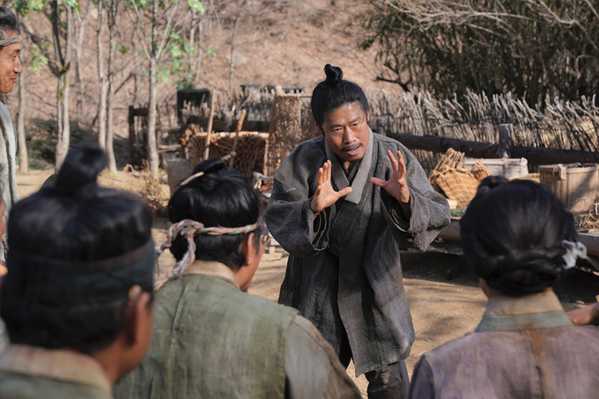
Jang Hang-jun never shows Sejo, focusing instead on Danjong's sorrowful story and Eom Heung-do's perspective. The film follows not the political success of strengthening royal power but the emotions of an exiled boy king: eating rice in a remote village, calling names, teaching a commoner's son, and gradually growing as a human being. It restores the feelings and warmth erased from official history. Like reassembling scattered shards of forgotten history into a flawless moon jar, it revives Danjong's erased time.
Politically Sejo won, but in cultural memory Danjong lives longer. People are drawn more to the unjustly vanished than to those who seized power. The river and trees of Yeongwol remember the defeated's sorrow more than the victor's glory. This film brings that ancient memory back to the present.
Thus The King's Warden is no ordinary historical drama. It asks: What history shall we remember? Further: between the language of power and the language of humanity, which shall we follow? Its strength lies not in flashy direction or meticulous spectacle but in quietly posing these questions. Choosing to restore the humanity of the defeated rather than repeat the victor's tale—that choice touches today's Korean collective psyche. And perhaps that is why audiences weep yet strangely feel comforted. When erased voices from history are called back, we can imagine a slightly more humane world.
The King's Warden
Koreans' Collective Psychology and Desire for a Leader
Having endured a history filled with hardship and trials, Koreans often respond more deeply to injustice, sacrifice, and moral dignity than to successful power. One reason this film surpassed 10 million viewers may be that it restores the lost king's humanity rather than glorifying the successful usurper.
The Korean spirit of han and resistance yearns for noble leaders. And today we suffer under warmongering leaders. This film questions the qualities of leadership even now.
Reading the Zeitgeist and Human Virtues
Ultimately, the recipe behind The King's Warden's success lies not in direction or aesthetic perfection but in its reading of the zeitgeist and collective psyche: restoring the narrative of the defeated, offering communal catharsis, expressing a yearning for noble leadership, and blending buddy-movie and Western structures with the catharsis of Greek tragedy—all while conveying human virtue and moral choice. That, ultimately, is the film's quiet but enduring power.
Jang Hang-jun has struck our Achilles' heel—and we feel compelled to go to Cheongnyeongpo to console our lost king.
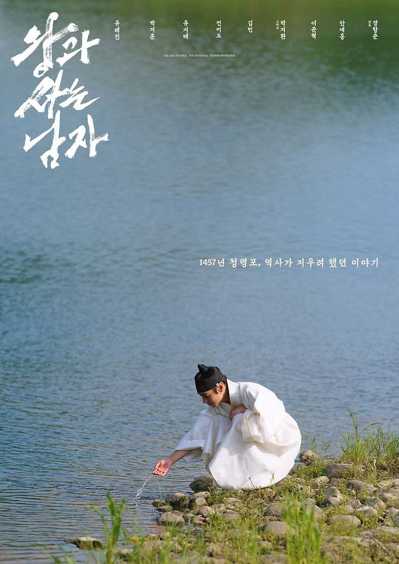
The King's Warden

https://www.instagram.com/kmovie_usa.canada