

홍콩 배우 장만옥(張曼玉) 회고전 'Days of Being Maggie Cheung'@메트로그라프(1/30- )
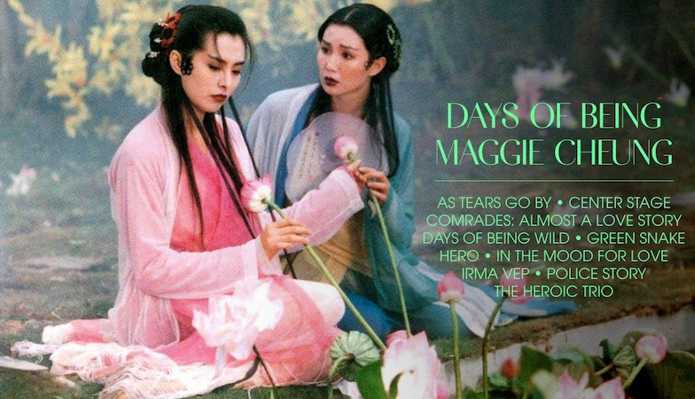
Beginning January 30
Metrograph In Theater
DAYS OF BEING MAGGIE CHEUNG
Metrograph Celebrates Chinese Screen Icon Maggie Cheung with 10-Film Retrospective Featuring the New York Premiere of a Dazzling 4K Restoration of Tsui Hark's GREEN SNAKE
Metrograph presents Days of Being Maggie Cheung, a program of career highlights from the influential actor, beginning January 30 at Metrograph In Theater.
In 2016, the year that Metrograph opened its doors on Ludlow St., we presented a retrospective of what our catalog copy described “the quintessential Chinese screen icon of our time,” the incomparable Maggie Cheung. We see little reason to modify that panegyric phrasing and, today, with a restoration of the Maggie-starring Tsui Hark fantasy Green Snake (1993) newly available, the time feels ripe for another visit from that actress who, per her sometime director and former partner, Olivier Assayas, “was instrumental in a movement that transformed world cinema”—a thoroughly modern star who retained something of Golden Age glamour and mystique. Though Cheung has long retired from acting on her own terms and swathed in closely protected, Garbo-like silence, respect must be regularly paid to cinema’s Queen in Exile.
Days of Being Maggie Cheung runs from January 30 to March 1, with select encore screenings to follow.
Titles include As Tears Go By, Center Stage, Comrades: Almost a Love Story, Days of Being Wild, Green Snake, Hero, The Heroic Trio, In the Mood for Love, Irma Vep, and Police Story.
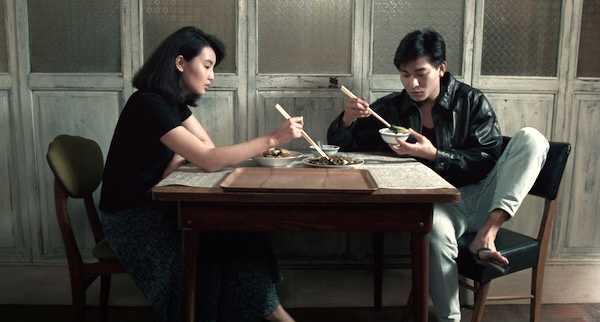
AS TEARS GO BY 열혈남아/ 旺角卡門
dir. Wong Kar-wai, 1988, 98 min, DCP
The beginning of one of fin-de-siecle cinema’s most undeniable career runs, Wong’s sumptuous, tragic gangster story gave Maggie Cheung her most well-rounded and moving role to date as Ngor, a country cousin from Lantau Island who comes to stay with her triad enforcer relation Wah (Andy Lau) in Hong Kong, and gets caught up in Wah’s scramble to save his brother, Fly (Jacky Cheung). A little Mean Streets, yet 100% Wong.
CENTER STAGE 완령옥/ 阮玲玉
dir. Stanley Kwan, 1991, 154 min, DCP
In this unconventional biopic by Hong Kong New Wave master Kwan, one of the brightest movie stars of the Golden Age of Hong Kong pays tribute to a predecessor from pre-revolutionary Chinese cinema, as Maggie Cheung passionately embodies Ruan Lingyu (1910-1935), the silent screen icon known as the “Greta Garbo of China.” Praised for her moving and emotive on-screen presence, Ruan had a tumultuous private life that was frequent fodder for the vicious Shanghai tabloids—and began to mirror the melodramas that brought her fame, culminating in her suicide at age 24. Kwan and Cheung paint a kaleidoscopic yet intimate portrait of the ill-fated actress, deftly blending lush period drama, archival footage, and metatextual documentary sequences of Cheung reflecting on Ruan’s legacy. The result is, much like the films of Ruan Lingyu themselves: “tender, vivid and almost overwhelmingly moving” (Time Out).
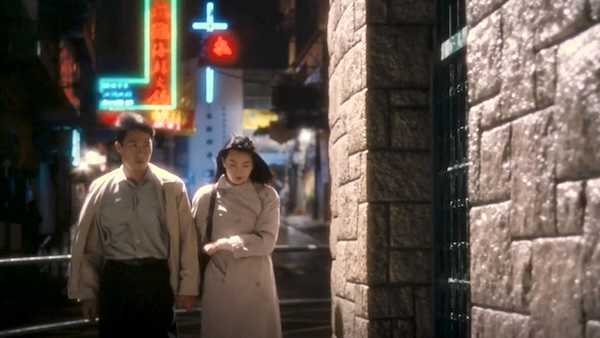
COMRADES: ALMOST A LOVE STORY 첨밀밀/ 甜蜜蜜
dir. Peter Chan, 1996, 118 min, 35mm
The story of a touch-and-go romance between two Mainland expats, earnest Northerner Leon Lai—one of Cantopop’s “Four Heavenly Kings”—and Guangzhou-born wheeler-dealer Maggie Cheung, Chan’s plaintive drama follows its leads from youth to maturity, upper-class security to the slums, and between Hong Kong and New York City. Along the way they’ll bid bittersweet goodbyes to the dreams of youth, to the old Fragrant Harbor that William Holden once visited, and to the plaintive voice of Teresa Teng, which echoes through the film.
DAYS OF BEING WILD 아비정전/ 阿飛正傳
dir. Wong Kar-wai, 1990, 100 min, DCP
Wong’s second film (and his first with DP Christopher Doyle) stars Leslie Cheung—at the beginning of a five-year hiatus from Cantopop superstardom allowing him to focus on his film career—as Yuddy, a careless Casanova in 1960 Hong Kong. Maggie Cheung is the first emotional casualty of his indifference, later seen embarking on a tentative relationship with a sympathetic police patrolman (“Heavenly King of Cantopop” Andy Lau). Full of bold narrative leaps and pregnant with yearning, Days of Being Wild lays out all the essential elements of Wong’s fully-formed style.
GREEN SNAKE 청사/ 靑巳
dir. Tsui Hark, 1993, 99 min, 4K DCP
A fresh, lyrical, sensual, and often very funny revisionist reading of a ubiquitous classic Chinese folk tale concerning sororal serpent spirits, Madame White Snake, Hark’s version shifts the focus from White Snake (Joey Wang) to her impish, rebellious younger sibling, Green Snake (Cheung, bringing a slinky sway to her performance), who is committed to breaking up her big sister’s budding relationship with a young teacher even as both women must vie with a gaggle of Taoist monks determined to vanquish them and abscond with their powers. Action maestro Hark, flinging himself headlong into the realm of pure fantasy, creates a hallucinatorily hyper-stylized world of lush, vivid, mesmerizing dreamscapes… and doesn’t skimp on the stunning martial arts set pieces while doing so. Screening in a new 4K restoration.
HERO 영웅: 천하의 시작/ 英雄
dir. Zhang Yimou, 2002, 99 min, 35mm
A sumptuous Warring States-era wuxia boasting an ingeniously constructed and endlessly surprising cloak-and-dagger plot enacted by a cast for the ages, featuring Tony Leung, Maggie Cheung, and Donnie Yen as a trio of assassins targeting the king of Qin prefect, and Jet Li as “Nameless,” the mysterious master of Death at Ten Paces who may or may not be loyal to the sovereign. An international hit for Zhang, the most lauded of China’s Fifth Generation filmmakers, and a film filled with almost deliriously ravishing images courtesy of cinematographer—and frequent Wong Kar-wai collaborator—Christopher Doyle.
35mm print courtesy of the Academy Film Archive
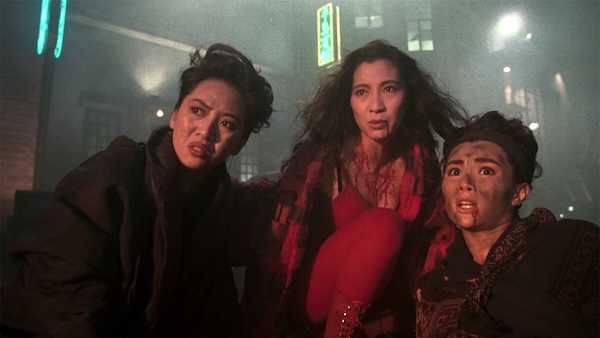
THE HEROIC TRIO 동방삼협/ 東方三俠
dir. Johnnie To, 1993, 83 min, DCP
To’s girl power banger The Heroic Trio brings together wire-flying wuxia and John Woo-esque gun-fu into a heady cocktail of aerial acrobatics that comes close to a live-action cartoon. (It’s also the movie that Jean-Pierre Léaud waves around a LaserDisc of in Oliver Assayas’s 1996 Irma Vep.) Maggie Cheung’s bounty hunter Thief Catcher teams with Michelle Yeoh’s Invisible Girl and Anita Mui’s Wonder Woman to take on the Evil Master, a scheming eunuch plotting to revive the Ming Dynasty by kidnapping babies—as if he stands a chance against a crew this heavy.
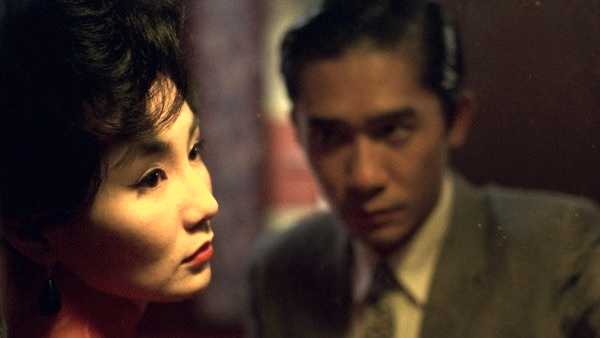
IN THE MOOD FOR LOVE 화양연화/ 花樣年華
dir. Wong Kar-wai, 2000, 98 min, 4K DCP
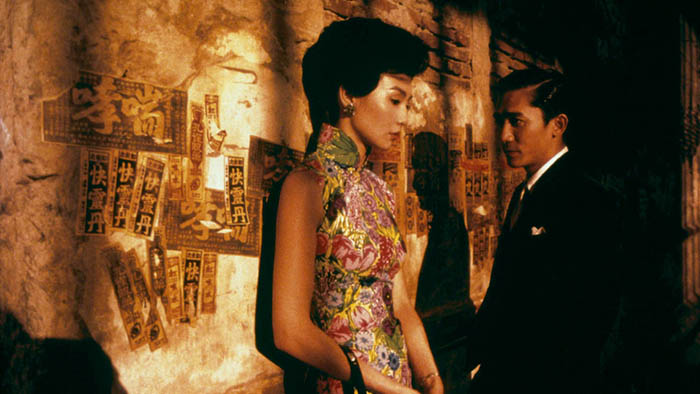
Wong’s arthouse smash is the very simple tale of two people in early ’60s Hong Kong, Mr. Chow (Tony Leung Chiu-wai) and Mrs. Chen (Maggie Cheung), drawn to one another by the discovery that their spouses are getting together on the side. A little story, full of little details, all surrounding a love affair that isn’t really a love affair—but throbbing with huge, aching emotions that it can barely contain. It might just break your heart.
IRMA VEP 이마 베프
dir. Olivier Assayas, 1996, 99 min, DCP
Maggie Cheung in the role she was literally born to play: Maggie Cheung. The Hong Kong actress is imported to star in a remake of Louis Feuillade’s 1915 serial Les Vampires directed by a New Wave has-been (Jean-Pierre Léaud), but then finds herself submerged in a strange world of flirtatious lesbians, bourgeois ex-radicals, Luc Besson admirers, and all-night raves, all the while becoming oddly in thrall to her form-fitting S/M catsuit, which lures her out onto the rooftops of Paris. A meditation on global cinema at a moment of transition, a comedy about filmmaking and cultural crosstalk, and a movie so alive to the textures of contemporaneity that it hasn’t aged a day.
POLICE STORY 폴리스 스토리/ 警察故事
dir. Jackie Chan, 1985, 100 min, DCP
A bone-cracking landmark in Hong Kong beat-’em-up action, Police Story stars director Jackie Chan as Ka-kui/Kevin, an inspector assigned to protect a key witness in a drug case, Selina (Brigitte Lin, nominated for Best Actress at the 1986 Hong Kong Film Awards), from the agents of her nefarious former employer, a task which will require him to dangle from a speeding bus by umbrella, go through (conservative estimate) one billion plate glass windows in the film’s department store finale, and maintain the affections of his fickle girlfriend, May (Maggie Cheung). Chan never looked better as a full-body performer, while Lin, doing her own stunts with gusto, throws herself into the action with little regard for life and limb.
https://metrograph.com
 NYT: 맘다니 시장이 뉴욕을 개선할 수 있는 17가지 방법 독자 투표