

Questioning the Obsession with Michelin-Starred Tasting Menu
Tasting Menu: Price, Pride and Prejudice
Questioning the Obsession with Michelin-Starred Tasting Menu
Masa, Per Se, Eleven Madison Park, Chef’s Table at Brooklyn Fare, Jungsik, Atomix…
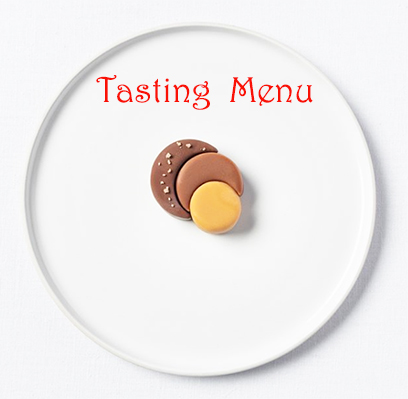
Eleven Madison Park https://www.elevenmadisonpark.com
Over the past decade, as luxury condos have multiplied across Manhattan and Brooklyn, beloved neighborhood restaurants have quietly disappeared. In their place, the cult of the high-end tasting menu has only grown stronger. With eye-watering price tags, these choreographed multi-course experiences have become status symbols—coveted by wealthy diners and marketed as the fastest lane to Michelin stardom.
A tasting menu—a fixed progression of small, chef-selected dishes—offers no choice. You eat what the chef gives you. The plates are jewel-box tiny, the presentation surgical, and the bill—once tax, tip, and wine are factored in—can be staggering.
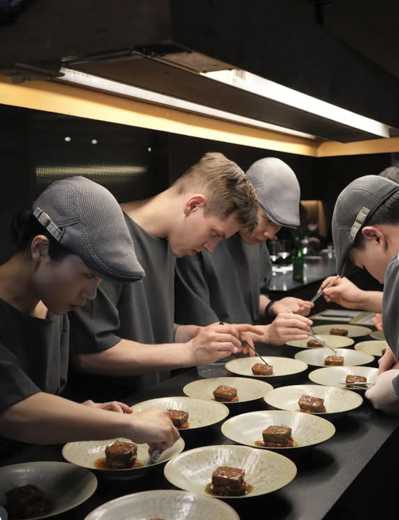
Atomix https://www.atomixnyc.com
The modern tasting menu descends from the French tradition of dégustation. By the 1990s, chefs like Ferran Adrià at El Bulli in Spain and Thomas Keller at The French Laundry in Napa Valley were serving 30- and even 40-course marathons. When Keller opened Per Se in 2004 on the fourth floor of the Time Warner Center, it swiftly earned four stars from The New York Times and three Michelin stars—cementing the model for fine dining in America. Around the same time, René Redzepi’s Noma in Copenhagen, with its 20-course menus, redefined what a restaurant could be, topping the World’s 50 Best list four times between 2010 and 2014.
By 2020, four of New York’s five three-Michelin-starred restaurants—Per Se, Eleven Madison Park, Chef’s Table at Brooklyn Fare, and Masa—offered tasting menus exclusively. Only Le Bernardin still allowed à la carte dining.
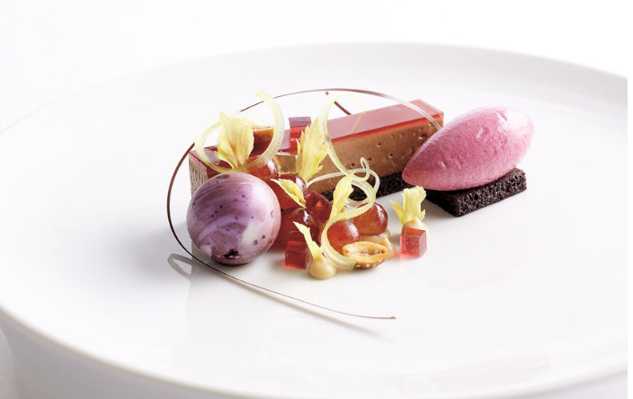
Per Se https://www.thomaskeller.com/perseny
Today’s Reality (2025)
Restaurant Tasting Menu Price (per person)
#Masa $750 (Prix fixe, omakase; Hinoki experience, $950) https://www.masanyc.com
#Per Se $425 (Evolution Menu, $925, 15–20 courses) https://thomaskeller.com/new-york-new-york/per-se
#Eleven Madison Park $365 https://www.elevenmadisonpark.com
#Le Bernardin $350 https://www.le-bernardin.com
#Chef’s Table at Brooklyn Fare $430 https://www.brooklynfare.com
#Atomix $450 https://www.atomixnyc.com
#Jungsik $325 https://www.jungsik.com
Add wine, and even a modest two-person dinner can exceed $1,000. Reservations remain fierce. These meals are now social trophies—like yachts, vintage wines, or limited-edition art.
In our media-fueled age, chefs are elevated to rock-star status. Plating is conceptual art; the message: less is more. Diners are expected to submit to the chef’s vision—no substitutions, no exceptions. Fine dining has become performance art. But more diners are asking: Who’s paying the price?
Ten Problems with the Tasting Menu Obsession
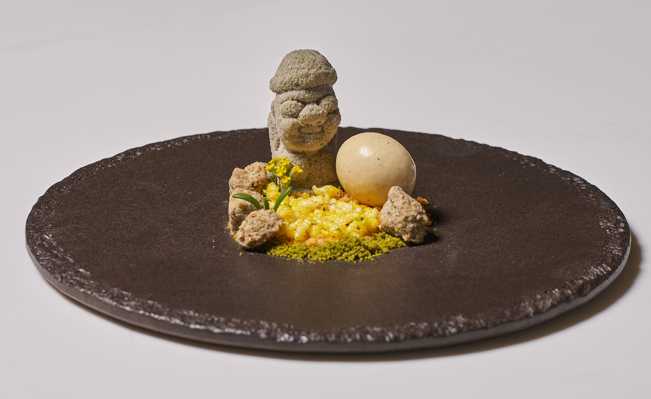
Junsik http://jungsik.com
1. The Chef is the Tyrant, the Diner the Servant
Choice is eliminated. You don’t know what’s coming. It’s a blind date with food. The chef is the auteur; the diner, a captive audience. Ironically, buffets are far more democratic.
2. You’re Still Hungry
The portions make tapas look generous. Gorgeous though they are, many courses leave diners unsatisfied. More than one guest has capped off a $500 meal with a slice of pizza.
3. They’re Not Allergy-Friendly
Many restaurants won’t adjust menus. Atomix, for example, states it cannot modify dishes for allergies or preferences. If you’re allergic to shellfish or gluten, you’re out.
4. They Steal Your Time
Plan on three hours at the table. That’s not ideal if you’re short on energy—or conversation. Constant interruptions from servers make it hard to sustain a natural dialogue.
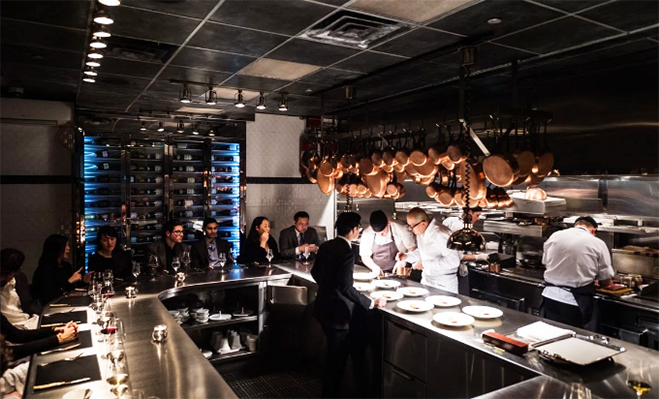
Chefs Table at Brooklyn Fare https://www.brooklynfare.com/pages/chefs-table
5. They’re Exorbitantly Priced
Prices run from $165 to nearly $600. Add wine, tax, and tip, and you’re in four figures for two. Some restaurants charge punishing cancellation fees. Masa requires a week’s notice—or $1,000.
6. They Widen Social Inequality
Tasting menus function as edible status updates, flaunted on Instagram. The exclusivity is part of the appeal—but also part of the problem.
7. They Invite Self-Deception
After spending a small fortune, diners convince themselves it was transcendent—even if only a handful of dishes were memorable. It’s hard to admit you overpaid for mediocrity.
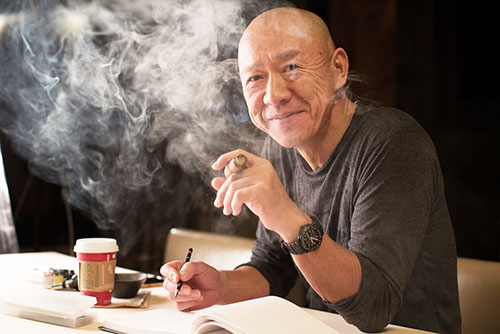
Masayoshi Takayama at Masa. http://www.masanyc.com
8. Chef and Staff Narcissism
Many tasting menu restaurants feel like temples with strict rules: silence, no photos, no substitutions. When Chef’s Table at Brooklyn Fare debuted, they reportedly discouraged conversation. Some kitchens have faced accusations of bias or toxic culture. The service is polished—but rarely warm.
9. Kitchens Become Résumé Mills
Young chefs cycle through Michelin kitchens to pad résumés. The tasting menu becomes a cookie-cutter business model to replicate elsewhere.
10. An Industry of Male Geniuses
Fine dining remains dominated by men. Over 90% of Michelin-starred head chefs are male; women are too often sidelined. And the industry is no stranger to scandal—chefs from Mario Batali to René Redzepi have faced criticism for toxic workplaces. Celebrity status doesn’t always equal culinary integrity.
Even Masa’s famed Masayoshi Takayama reportedly smokes cigars—an odd habit for a sushi master. At his more casual Bar Masa, sushi rolls once tasted little better than those from a Midtown deli.
Final Bite
Is this criticism just sour grapes? Maybe. But the relentless drive for bigger, rarer, pricier, flashier menus mirrors the luxury condo boom. Both widen the gap between those who can afford the spectacle and those left outside.
The tasting menu craze may showcase culinary genius—but it also reveals how fine dining has become less about pleasure and more about performance, status, and power. And for many New Yorkers, it’s a reminder of how far we’ve been left behind.