

뮤지컬 '케이팝(KPOP)' 혹평 NYT 비평가 제씨 그린(Jesse Green) 부서 이동

뮤지컬 'KPOP' 홍보 이미지/ 뉴욕타임스 연극/뮤지컬 비평가 제씨 그린(Jesse Green)
뉴욕타임스가 음식 비평가에 이어 예술 및 엔터테인먼트 비평가를 전격 개편한다. 버라이어티지에 따르면, NYT는 TV(마거릿 라이온스 Margaret Lyons), 음악(존 파랄레스 Jon Pareles, 잭 울프 Zach Woolfe), 연극 비평가(제씨 그린 Jesse Green) 4명을 교체하기 위해 새 평론가를 물색 중이다.
제씨 그린은 2022년 브로드웨이 서클인더스퀘어에서 공연 중인 뮤지컬 '케이팝(KPOP)'의 리뷰 "'케이팝'에는 한국의 팝과 브로드웨이가 (너무도) 귀엽게 만난다(In ‘KPOP,’ Korean Pop and Broadway Meet (Too) Cute)"는 제목의 리뷰에서 '곁눈질/사팔눈을 유도하는 조명(squint-inducing lighting)'이라는 표현을 썼으며, "한국어를 사용하지 않는 관객은 공연을 즐길 수 없을 것"이라고 평했다.
이에 대해 '케이팝' 프로듀서 팀 포브스(Time Forbes)와 조이 파네스(Joey Parnes)는 뉴욕타임스 회장/발행인 A. G. 설츠버거(A.G. Sulzberger)와 연극 에디터 니콜 허링턴(Nicole Herrington)에게 보낸 편지에서 리뷰가 "둔감하며, 솔직히 공격적이다"라고 밝히며 사과를 요구했다. 그러나, 'KPOP'은 공식 개막 2주만인 12월 11일에 폐막했다.
NYT의 문화부 에디터 시아 미셸(Sia Michel)은 직원들에게 보낸 메모에서 "우리는 미 문화계에서 매우 중요한 순간을 맞고 있다. 새로운 세대의 예술가와 관객들은 전통적인 제도를 무시하고 있으며, 스마트폰은 팬덤을 분열시키는 동시에 문화 접근성을 그 어느 때보다 넓혔다....우리 독자들은 이 복잡한 세계를 이해하는데 도움이 되는 믿을 수 있는 가이드를 갈망하고 있다. 전통적인 리뷰 뿐만 아니라 에세이, 새로운 스토리 형식, 비디오 및 다른 플랫폼과의 실험을 통해서도...우리의 사명은 바로 그러한 가이드가 되는 것이다. 그러면서 나는 부서의 업무에 몇가지 변화를 주고 있다"고 밝혔다.
Sia Michel's Memo
"We are in the midst of an extraordinary moment in American culture. New generations of artists and audiences are bypassing traditional institutions, smartphones have Balkanized fandoms even as they have made culture more widely accessible than ever, and arts institutions are facing challenges and looking for new opportunities.
"Our readers are hungry for trusted guides to help them make sense of this complicated landscape, not only through traditional reviews but also with essays, new story forms, videos, and experimentation with other platforms.
"Our mission is to be those guides.
"As we do so, I am making some changes in assignments in the department. Four critics who have made major contributions and whom we deeply cherish and respect—Jesse Green, Margaret Lyons, Jon Pareles, and Zach Woolfe—will be taking on new roles, and we will be conducting a search for critics on their beats in the weeks to come.
"All of these critics are best in class, and we are so proud of their excellent body of work. Jon, the chief pop critic since 1988, has had an unparalleled influence on pop music criticism, expert in a dazzling array of genres. Jesse, our theatre critic since 2017, has championed important theatre from Broadway and beyond with his incisive, witty reviews. For nearly a decade, Margaret has helped curate television and streaming for readers through her Watching newsletter, with a knack for discovering shows that become sensations. Zach, who served as our classical music editor before becoming the classical critic several years ago, pioneered the 5 Minutes format and has written elegantly on everything from Maria Callas to Janacek.
"We will be celebrating our colleagues and sharing news of their new roles soon.
"I know that these are big changes. While it has long been the practice in the newsroom to shift the roles of reporters, editors, and bureau chiefs to bring different ideas and experience to important beats and coverage areas, we've done this far less with our roster of critics. But it is important to bring different perspectives to core disciplines as we help our coverage expand beyond the traditional review.
"This department has already made major strides to adapt to this moment. Our critics have pioneered new story forms, examining masterpieces with the Close Read format, and helping people discover jazz and classical music with 5 Minutes. Recently, we began dissecting pop hits with the Song of the Week video series. We’ve also used video to cover dance and comedy in groundbreaking ways, anointed a new canon with the blockbuster “100 Best Movies” project and explored the new Frick museum and the new Rockefeller Wing at the Met with visual-first presentations. We have examined our broader culture and politics in probing essays about television and movies.
"These achievements are thanks to the vision, dedication, and hard work of all of you. Now we are at another inflection point. We need to meet it with even more change, in terms of what we cover, how to appeal to a growing national and international audience, how we approach criticism and how we set ourselves up for even greater success with our current and future audiences.
"I’ll be working with many of you on how to pursue the vision I’ve laid out here. I’m always eager to hear your ideas for new and more ambitious ways to cover culture."
New York Times Chief Theatre Critic Jesse Green to Be Reassigned; Paper Searching for New Critic
The culture desk at the paper of record got a shake-up July 15.
https://playbill.com/article/new-york-times-chief-theatre-critic-jesse-green-to-be-reassigned-paper-searching-for-new-critic
New York Times Culture Desk Shake-Up: Critics Margaret Lyons, Jon Pareles, Jesse Green, Zach Woolfe Reassigned to ‘New Roles’
https://variety.com/2025/tv/news/new-york-times-culture-desk-critics-margaret-lyons-jon-pareles-jesse-green-zach-woolfe-reassigned-1236461249
*누가 브로드웨이 뮤지컬 'KPOP'을 죽였나? 개막 2주만에 조기 폐막(12/11)
https://www.nyculturebeat.com/?mid=Stage2&page=5&document_srl=4085843
*뮤지컬 'KPOP' 작곡가 헬렌 박(Helen Park) 조기 폐막 심경 칼럼 플레이빌 기고
https://www.nyculturebeat.com/?mid=Stage2&document_srl=4085987
뮤지컬 'KPOP' 프로듀서, 인종차별 리뷰 실은 뉴욕타임스 사과 요구
"곁눈질 유도하는 조명" "한국어 모르면 즐길 수 없을 것"
NYT 제씨 그린(Jesse Green) 인종차별적 리뷰 도마 위에
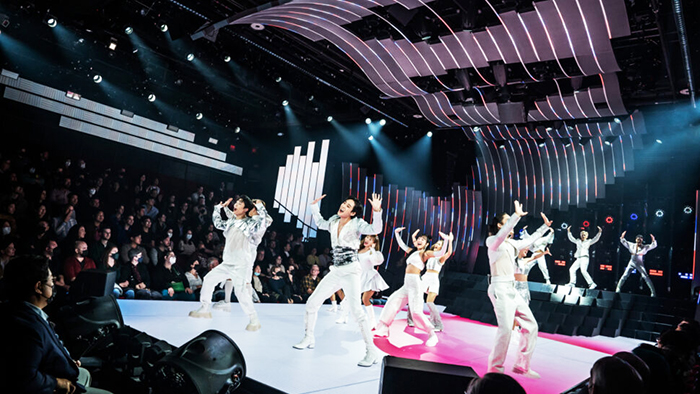
"KPOP" on Broadway Photo: Matthew Murphy
브로드웨이 서클인더스퀘어(Circle in the Square)에서 공연 중인 뮤지컬 '케이팝(KPOP)' 프로듀서들이 뉴욕타임스에 공식적으로 사과를 요구하고 나섰다.
뉴욕타임스의 비평가 제씨 그린(Jesse Green)은 지난 11월 27일자 "'케이팝'에는 한국의 팝과 브로드웨이가 (너무도) 귀엽게 만난다(In ‘KPOP,’ Korean Pop and Broadway Meet (Too) Cute)"는 제목의 리뷰에서 '곁눈질/사팔눈을 유도하는 조명(squint-inducing lighting)'이라는 표현을 썼으며, "한국어를 사용하지 않는 관객은 공연을 즐길 수 없을 것"이라고 평했다.
연극 전문 웹사이트 플레이빌(Playbill.com)에 따르면, '케이팝' 프로듀서 팀 포브스(Time Forbes)와 조이 파네스(Joey Parnes)는 뉴욕타임스 회장/발행인 A. G. 설츠버거(A.G. Sulzberger)와 연극 에디터 니콜 허링턴(Nicole Herrington)에게 보낸 편지에서 리뷰가 "둔감하며, 솔직히 공격적이다"라고 밝혔다.
프로듀서들은 이 편지에서 "그린씨가 그 공연에 대해 비판적일 권리를 존중한다. 우리가 당신들에게 요구하는 것은 문화적 무감각, K-pop을 하나의 장르로 보는 것에 대한 무지와 혐오가 깔린 점, 그리고 그의 리뷰에 나타난 무관심한 인종차별을 제기하는 것이다. 이런 일이 뉴욕타임스에서 일어났다는 것은 솔직히 놀랍다"라고 강조했다. 이들은 아시아태평양계(API) 아티스트가 창작한 작품(*한인 조명디자이너 장지연)에 대한 비평에 그린이 선택한 단어(*squint-inducing lighting)는 미디어에서 아시안에 대한 해로운 스테레오타입과 역사적인 유아화를 재생하면서 즉각적으로 그들을 평가절하하며, 보잘 것 없게 만든다"고 지적했다.
또한, "당신이 한국어를 이해하지 못하면, 이 쇼를 즐기는 것이 더 어려울 것이다"라는 그린의 견해는 단순히 그 자신이 직접 목격한 관객들의 반응이나 리뷰에 달린 몇개의 댓글에서 나온 것이 아니다"라고 비판했다. 이 프로듀서들은 "사실상 대화의 극히 일부만이 한국어이며, 그가 확실이 알듯이 특별한 맥락에서 이해가능한 의미들"이라고 밝혔다. 그리고, "브로드웨이 공연은 백인, 영어를 구사하는 백인 관객들을 위해서만 유효한가?"라고 질문했다.
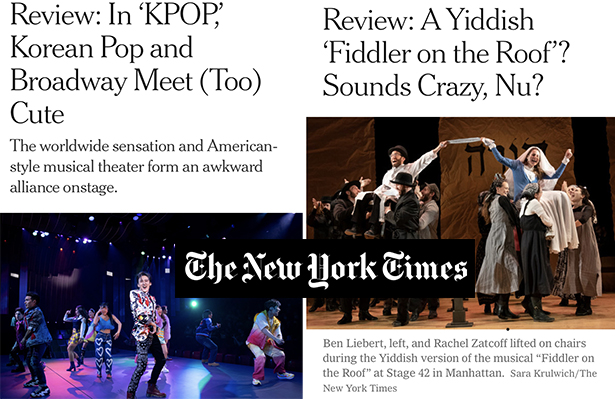
제씨 그린의 리뷰 'KPOP'과 '지붕 위의 바이올린'
이 편지는 또한 그린이 "단 3명의 연주자가 있다"며 숫자를 강조하며 브로드웨이 오케스트라나 밴드의 경우에도 적은 수라고 언급하면서 "압도적으로 전자음악적인" 장르라는 점을 간과했다. 그러면서도 공동 작곡가 헬렌 박이 브로드웨이 최초의 아시아계 여성 작곡가라는 점과 아시아태평양계 아티스트 18명이 데뷔했다는 사실도 인정하지 않았다고 비판했다.
그리고, "재능있고 현실적인 출연진, 제작진과 크리에이티브 팀을 대표해서 그린씨의 리뷰가 함축하고 있는 공격적인 언어와 인종차별적인 의미를 인정하고 사과할 것을 촉구한다"고 썼다.
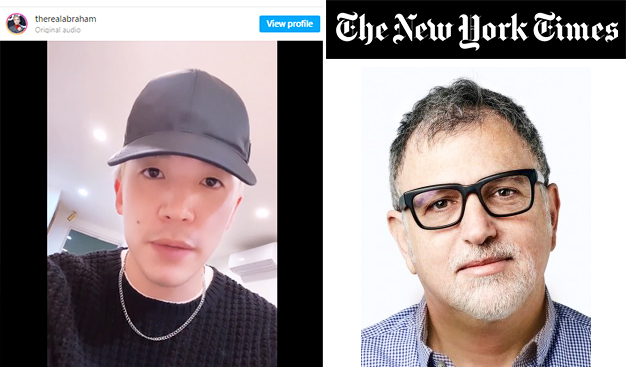
에이브라함 림의 인스태그램 비디오/ 제씨 그린(Jesse Green), NYT Review of "KPOP"
한편, 'KPOP'의 보이밴드 F8의 멤버 재익으로 출여하는 배우 에이브라함 림(Abraham Lim)은 인스태그램에 올린 비디오에서 "squinted-inducing"이라는 표현을 쓴 그린에게 'KPOP'은 아시아인 배우가 대부분이며,아시아계가 창작한 작품이기 때문에 그 단어의 선택은 무례하다고 지적하면서 "더 나은 단어를 찾으시오(find better words)'라 비판했다. 그는 "당신이 'squinty eyes(가는/사팔뜨기 눈)' 'slanty eyes(작고 찢어진 눈)'로 조롱을 받아온 아시안아메리칸이 아니라면 지금 듣고 싶지 않다. 자리에 앉으시라"고 말했다.
제씨 그린은 2018년 국립이디쉬시어터(National Yiddish Folksbiene Theatre)의 '지붕 위의 바이올린(Fiddler on the Roof)' 리뷰 'Review: A Yiddish ‘Fiddler on the Roof’? Sounds Crazy, Nu?'에서는 "이 언어(유대어)를 통한 프로덕션이 미국에서 공연됐던 모든 '지붕 위의 바이올린' 중 가장 진정성을 허용했다"고 찬사를 보낸 바 있다.
이 프로덕션은 현재 뉴 월드 스테이지(New World Stages)에서 공연 중이다. 그린은 극장에서 유대어는 진정성으로, 한국어는 즐길 수 없을 것이라며 이중잣대로 못박은 셈이다. 또한 메트로폴리탄 오페라는 늘 이탈리아, 프랑스, 독일어로 공연되고 있지 않는가?

다음은 플레이빌(Playbill)이 입수한 프로듀서들의 편지 전문이다.
Dear Mr. Sulzberger and Ms. Herrington,
We are the producers of the recently opened Broadway musical, KPOP, and we are writing to ask that you issue an apology to the cast and creators of our show for the insensitive and, frankly, offensive review written by Jesse Green.
To be clear, we respect Mr. Green's right to be critical of the show. What we are asking you to address is the cultural insensitivity, underlying ignorance of and distaste for K-pop as a genre, and what comes across as casual racism in his review. That this would be the case in The New York Times is, frankly, astonishing.
Starting with the headline, "(too) cute," Mr. Green‘s choice of words to critique a work created primarily by API artists plays to harmful stereotypes and the historic infantilization of Asian people in media, immediately devaluing and diminishing them. Using "squint-inducing" to describe the work of a Korean lighting designer, whatever the author's intent, is a particularly egregious example.
Beyond specific words, Mr. Green's view that if "you don't understand Korean... (you) will have a harder time enjoying this show" is simply not borne out by the audience reaction he himself witnessed and as demonstrated in several of the comments now appended to the review. In fact, only a small fraction of the dialogue is in Korean, and the meaning is generally comprehensible in the specific context, which surely he knows. The comment smacks of a dog whistle. Is a Broadway show valid only if it is centered on and catering exclusively to a white, English-speaking audience?
Mr. Green's ignorance of and distaste for K-pop as a genre leads to the odd and, again, dismissive and diminishing comment that there are "only three instrumentalists." K-pop music is an overwhelmingly electronic music that takes effort and talent to produce. The score is at one with the genre and brings a new sonic vocabulary to Broadway. Not to mention, the person who produced it is the first ever Asian woman composer on Broadway, and yet Mr. Green offers no acknowledgement of that. Nor, by the way, does he acknowledge that there are 18 API artists making their Broadway debuts.
In fact, Mr. Green does not comment on any of the individual performances at all, almost as if the performers are nameless and faceless. What does that imply? Instead, he characterizes the performance style collectively as "aggressive mimicry"—another ill-chosen, racially insensitive, and ultimately ignorant phrase. Four of the cast members are actual K-pop idols in ing" nothing. To suggest as much denies their lived experience, their professional expertise, and their very individuality.
Mr. Green criticizes the "mostly electronic arrangements" when that is the K-pop genre; he criticizes the "minutely detailed choreography" when that is a hallmark of K-pop; he implicitly criticizes the costume design that embodies the K-pop style. That he doesn't like these elements or this genre is his prerogative as a critic, but he appears to deny their very legitimacy as part of a Broadway musical, an implicit assertion of traditional white cultural supremacy.
The job of theatre critics is to dissect, analyze, and ultimately judge a work. We also contend that they have a responsibility to meet a show on its own terms and to be informed enough to know what that even means. Above all, in these troubled times, they have an obligation to do so with cultural sensitivity and absolutely without the casual racist tropes Mr. Green, wittingly or not, perpetuates.
On behalf of our talented and dedicated cast, crew, and creative team we urge you to acknowledge and apologize for the offensive language and racist implications in Mr. Green's review.
By calling this out, we hope to challenge the Times, your writers and readers, and ourselves as well, to think critically about the language we use and to be ever mindful of bias, unconscious and otherwise.
Sincerely,
Tim Forbes and Joey Parnes
therealabraham
My response to Jesse Green’s (one of the gatekeepers of the great white way) review of @kpopbroadway for @nytimes, why it was at times inherently racist and wholly disrespectful, and the conversation it started on Twitter after I tweeted about it. I would like to add that I value and rely on criticism, as healthy amounts of constructive criticism can be conducive to growth of oneself and one’s craft, but “squint-inducing” to describe any element of the first Korean story on Broadway with a cast made up of mostly Asians (and the only wholly original new show on Broadway this season) was not it. Not even halfway.
https://www.instagram.com/p/Clh_iXMLpfw/
*Review: In ‘KPOP,’ Korean Pop and Broadway Meet (Too) Cute, The New York Times
The worldwide sensation and American-style musical theater form an awkward alliance onstage.
https://www.nytimes.com/2022/11/27/theater/kpop-review-broadway.html
*KPOP Producers Request Apology From New York Times' Theatre Critic Jesse Green
Leadership behind the new musical describe Green's review as "casual racism" in a letter obtained by Playbill.
https://playbill.com/article/kpop-producers-respond-to-new-york-times-review-requesting-apology-from-jesse-green
*NYT: 런던에서 찬사받고, 브로드웨이에서 뺨맞는 뮤지컬들
https://www.nyculturebeat.com/?mid=Stage2&document_srl=4144217
 뉴욕스테이트뮤지엄(올바니) 사상 최초 여성 관장 제니퍼 손더스(...
 프랑스 문화 페스티벌...2025 뉴욕 바스티유 데이 스케치