

미 무성영화 패션전 'Goddesses in the Machine: Fashion in American Silent Film'@바드대학원센터
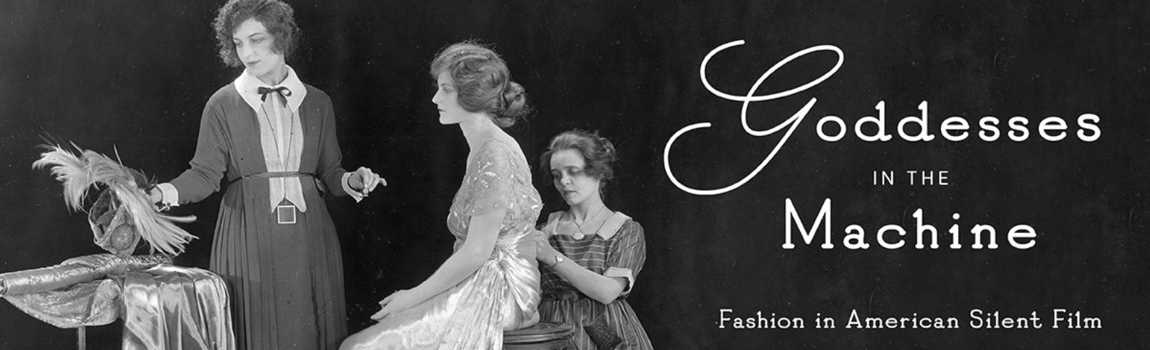
리우드 무성영화 시대의 패션을 조명하는 전시회가 9월 18일부터 내년 1월 3일까지 맨해튼 바드대학원센터(Bard Graduate Center, 18 West 86th St.) 갤러리에서 열리고 있다.
'기계 속의 여신들: 미국 무성 영화 패션(Goddesses in the Machine: Fashion in American Silent Film)'을 타이틀로 한 이 전시는 1895년부터 1920년 후반 유성영화(talkie)가등장하기까지 의상 디자인의 발전을 조명한다. 이 30년간 의상이 어떻게 영화에서 스토리텔링의 수단으로 기능했는지, 현대 영화 패션의 청사진을 어떻게 만들어냈는지를 탐구한다.
이와 함께 스크린 속 움직임을 극대화하기 위해 고안된 의상부터, 사회적 규범에 도전한 성별 고정관념을 깨는 실루엣, 그리고 남아 전해지는 사진을 통해서만 알려진 의상에 이르기까지 다양한 영화적 혁신을 보여준다.
소개되는 의상디자이너는 트래비스 밴튼, 앙리 벤델, 클레어 웨스트, 루실(레이디 더프-고든), 오데사 워런 그레이, 마담 프랜시스, I. 밀러, 릴리언 세인트 시르 등, 여배우는 아이린 캐슬, 펄 화이트, 메이블 노먼드, 아네트 켈러만, 캐서린 보이드 등이다.
https://www.bgc.bard.edu
Goddesses in the Machine: Fashion in American Silent Film Traces the Development of Costume Design Through a Selection of Rare Surviving Objects from 1895 to the Introduction of “Talkies” in the Late 1920s
Goddesses in the Machine: Fashion in American Silent Film
September 18, 2026 – January 3, 2027
Bard Graduate Center Gallery, NYC
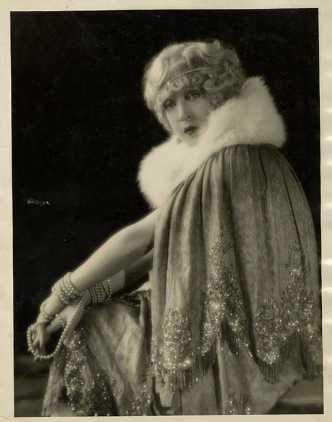
Ruth Harriet Louise(photographer), Mae Murray, Robert Dance collection
The first major exhibition dedicated to investigating fashion in American silent film, Goddesses in the Machine reveals the untold story of costume and style in early Hollywood, from actors wearing their own clothes to the birth of the movie costume designer. Showcasing garments and accessories dating from the first three decades of the twentieth century, the exhibition illuminates how early cinema transformed fashion from personal expression into powerful storytelling, creating the blueprint for modern movie glamour. Goddesses in the Machine brings to light a range of cinematic innovations—from costumes engineered to amplify movement on screen, to gender-bending silhouettes that challenged social norms, to ensembles known only through surviving photographs—and uncovers the innovation and artistry that gave rise to Hollywood’s later Golden Age after the introduction of the “talkies” in 1928. The exhibition is curated by Michelle Finamore and Emma Cormack.
Investigating how design and technology informed the appearance of clothing on film, the exhibition features a vibrant display of ensembles enriched by film clips that offer visitors the opportunity to see the garments in motion, as they were originally presented on the silver screen. Alongside accompanying photographs, posters, and costume sketches, these objects spotlight the work of early costumers who harnessed the possibilities of the new medium, from well-known designers such as Travis Banton, Henri Bendel, Clare West, and Lucile (Lady Duff-Gordon), to largely overlooked figures including Odessa Warren Grey, Madame Frances, I. Miller, and Lilian St. Cyr.
“When film was silent, fashion spoke volumes. For the first time, we will tell the story of costume at the advent of cinema,” said Finamore. “The lack of audible dialogue activated synergy between costume and cinematic spectacle, illuminating the significant role material culture plays in these early films. Yet only twenty percent of silent films have been preserved, and rarer still are surviving film-worn costumes. It is exciting to reunite these newly conserved garments with moving pictures to reconstruct the story of silent film fashion.”
Goddesses in the Machine traces the birth of an entirely new segment of the fashion industry—film costume design, which was rapidly evolving with the emergence of Hollywood. It illuminates the shift in production from New York to the West Coast with the rise of the studio system; the influence of new technology as a driver of creative choices; and the blurred line between “costume” and “fashion” during this period.
“Film opened lucrative new avenues for commercial promotion of fashion, and much like today, it had a distinct ability to influence consumer behavior,” said Cormack. “This new medium also offered
audiences in the United States an enticing way to experience the spectacle of fashion—filmgoers saw everyday clothing and elaborately designed costumes come to life on film. The captivating onscreen
presentation of women in action in particular can offer us fresh perspectives on the major shifts taking place in women’s fashion in the early twentieth century.”
Exhibition Organization
Organized in a roughly chronological installation that spans four floors, the exhibition begins by introducing visitors to the cinema-going experience in the first decades of the twentieth century before following the dramatic growth of the industry over nearly thirty years into the Jazz Age. Reuniting newly conserved garments, extant film clips, and other related ephemera, the exhibition surfaces a multifaceted story about a period from which very little material history survives. According to the Library of Congress, only approximately 20% of films from the silent era have been preserved, and rarer still are surviving film-worn costumes, particularly those that can be linked to a known film and a named designer.
Introduction: Experiencing the Cinema
The opening gallery of Goddesses in the Machine begins with an installation that captures the historical novelty of silent film. Designed to evoke the atmosphere of a cinema in the 1910s, the gallery includes film clips and pre-show announcements; programs and posters; and garments worn by ushers and moviegoers. A section on the fan culture that flourished alongside cinema explores the many connections between film and commerce. The gallery also invites visitors behind the screen with an introduction to the many design considerations inherent in creating costumes for film.
Fashion Design on Film
The second floor of the exhibition charts the development of the film-costuming profession, spotlighting significant designers from both the East and West coasts. Garments, accessories, sketches, photographs,
and film clips offer visitors the opportunity to explore a selection of designer case studies, including those of women who have been historically overlooked or previously not credited.
The south gallery is dedicated to New York City designers in the early film industry, including well-known figures such as Henri Bendel and Lucile (Lady Duff Gordon), who were actively involved in dressing stage and film stars and channeled the growing power of film to market their work. The presentation also highlights lesser-known designers such as Madame Frances, I. Miller, and Odessa Warren Gray, who likewise played an important role in shaping the industry’s early years.
Highlights of this section include two garments that will be on view for the first time; likely designed by Lucile and Henri Bendel, both were worn by Lillian Gish in the 1920 film Way Down East. These two ensembles, on loan from the Museum of the City of New York, underwent conservation for Goddesses in the Machine. The rare survival of the gowns, the film itself, and the opportunity to display them together illuminates for visitors how material characteristics like color, silhouette, fabric, and embellishment translated to the silver screen. The second floor of the exhibition also considers fashion shows on film in the form of newsreels (weekly compilations of current events shown in theaters before the feature film) that allowed audiences into the formerly exclusive realm of the couture house.
The final section traces the industry’s geographical shift to the West Coast for various reasons: lower production costs, warmer weather, and access to a wider array of settings for filming. Designers highlighted here include Clare West, the first studio designer on the West Coast; Travis Banton, whose early career included training in New York with Lucile; dancer-turned-costume designer Natacha Rambova; Ho-Chunk actress Lilian St. Cyr, who frequently designed her own film costumes; famous shoe designer Salvatore Ferragamo (in his early career); and lesser-known shoe designer George Brusinski.
Charting the professionalization of wardrobe departments in Hollywood, this discussion elevates the contributions of enterprising designers whose innovation and artistry shaped cinema’s aesthetic vocabulary and laid the groundwork for the unique brand of Hollywood glamour that persists today.
Kineticism & Dance on Film
The ever-increasing pace of early twentieth-century modern life and the changing roles for women were depicted on screen in slapstick comedies, action-packed serial dramas, and in films featuring scenes set in dance halls and jazz clubs. Exploring these popular genres, the third floor of the exhibition highlights actresses such as Irene Castle, Pearl White, Mabel Normand, Annette Kellerman, and Katherine Boyd.
Whether they were dancing, driving, horseback riding, swimming, flying, or shooting, the scope of this newly active cinematic body language found expression in dress that was often a striking departure from the typical silhouettes of the period. This section explores the ubiquitous presence of legs and shoes on film and how the fast-paced syncopated rhythms of ragtime and jazz helped to popularize new ideas related to the modern woman and her clothing. A selection of films featuring 1910s dances, such as the Foxtrot and the Castle Walk, and 1920s Charleston-mad flappers capture the energy and dynamism of the period.
The Workshop
On the fourth floor, visitors can observe early film costume reconstructions that will evolve over the course of the exhibition, conducted by two Bard Graduate Center PhD candidates, Sydney Maresca (a Broadway costume designer) and Jaya Misra (a textile conservator). Maresca and Misra’s projects focus on two film-worn garments, a dress by Lucile, Lady Duff Gordon, worn by dancer and actress Irene Castle in No Trespassing (1922); and the Circe the Enchantress Dress by Sally Milgrim, worn by Mae Murray in the titular 1924 film. Additionally, an interactive digital poster gallery is on display with further information on the histories behind a rotating selection of early films.
Catalogue
Goddesses in the Machine: Fashion in American Silent Film draws on newly discovered archival material and recent scholarship to reveal how early film costume connected to broader social, political, and commercial currents of the Progressive Era. Published by Bard Graduate Center and distributed by Yale University Press, this richly illustrated volume designed by Laura Grey Studio will capture and expand upon the key themes of the exhibition. Edited by Michelle Finamore and Emma Cormack, the catalogue features essays written by Finamore and Cormack, as well as contributions by Nora Carleson, Noah Dubay, Laura Horak, Deborah Nadoolman Landis, Avery LaFlamme, Michele Majer, Jeremy Reeves, Marketa Uhlirova, and Jay Weissberg.
Exhibition Support
Support for Goddesses in the Machine: Fashion in American Silent Film is generously provided by the Coby Foundation, the Wyeth Foundation for American Art, with additional support by Camilla Dietz
Bergeron, Ltd, and other donors to Bard Graduate Center.
About Bard Graduate Center
As the leading research institute in the United States dedicated to the study of decorative arts, design history, and material culture, Bard Graduate Center has pioneered the study of objects to better understand the cultural history of the material world. Offering experiences for scholars, students, and the general public alike, Bard Graduate Center is built on multidisciplinary study and the integration of research, graduate teaching, and public exhibitions. Since its founding in 1993, Bard Graduate Center has established a network of more than 575 alumni who work in leading museums, universities, and institutions worldwide to advance new ways of thinking about material culture. For more information, visit bgc.bard.edu.
Bard Graduate Center Gallery
18 West 86th St.
New York, NY 100
https://www.bgc.bard.edu
*프랑스 세브르국립도자기박물관 특별전 'Sèvres Extraordinaire!'@바드대학원센터 갤러리, 2025
*소니아 들로네이(Sonia Delaunay): 아방가르드 미술가, 생활디자인의 여왕, 2024
 '인형 옷 입히기(Doll Dressing)'@FIT뮤지엄(9/16-1/3, 2027)