

NYFF63 (2) 'Late Fame'—Way Past Go: A Poet’s Twilight ★★★☆
NYFF63 (9/26-10/13): Late Fame
New York, Artists, and the Enthusiasts:
A Poet’s Twilight in Late Fame ★★★☆
*잊혀진 시인 윌렘 데포의 '뒤늦은 명성 (Late Fame)' ★★★☆ <Korean version>
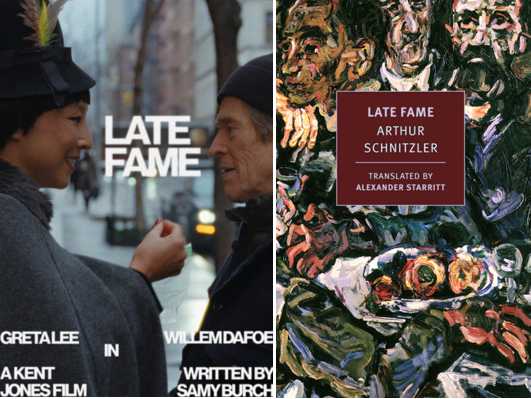
New York has long been a paradise for artists, and perhaps the most important stage in the world where their talents are tested. Artists may speak through their work, yet their true voices and intentions often remain elusive, beyond the reach of criticism alone. Biographies attempt to excavate those inner lives, but cinema offers something richer: a medium that, through image and sound, conveys both the vitality of the work and the vulnerability of its maker.
A film can reveal what the art does not—anxieties, obsessions, quirks, and fragilities—along with the labor of creation itself, seen through archival traces and the recollections of family, friends, and collaborators. More than the printed page, films about artists deliver an immediate, sensory immersion, pulling audiences in with the combined force of moving image and music. Nor are such portraits confined to documentaries. Narrative cinema, too, has the power to reimagine artists with its own interpretive lens.
At this year’s New York Film Festival (September 26–October 13), several artist-centered works stood out, among them Late Fame, in which Willem Dafoe inhabits the role of an obscure New York poet; Peter Hujar’s Day, a dramatization of a single day in the life of the downtown photographer; and Robert Wilson and the Civil Wars, a documentary charting the thwarted attempt by the avant-garde director—who died this July—to stage his monumental twelve-hour opera for the 1984 Los Angeles Olympics.
Of these works, Late Fame most directly explores the bittersweet world of a forgotten poet.
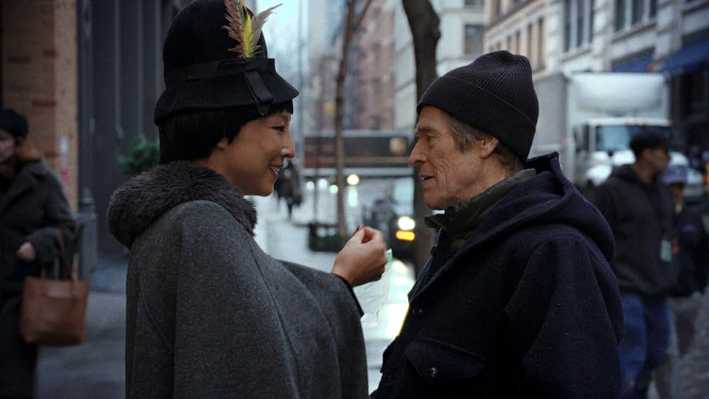
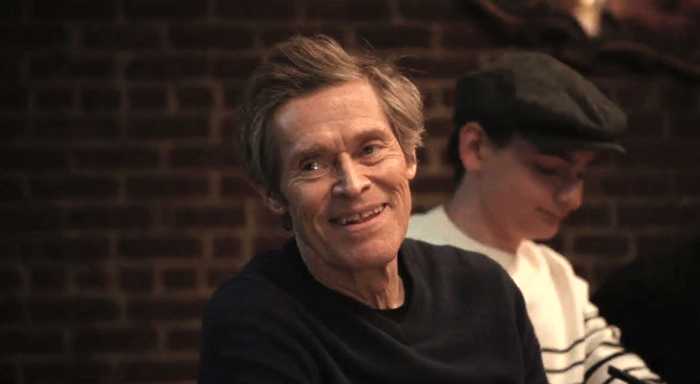
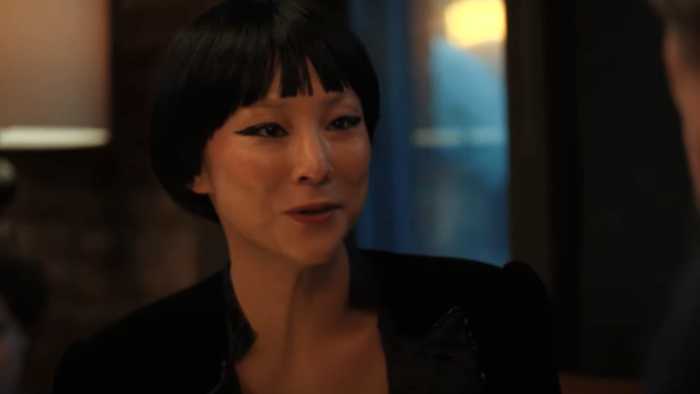
Ed Saxberger (Willem Dafoe), a New Yorker who has worked at the post office for nearly 40 years, once published a volume of poetry. In a digital age where most people are absorbed in their smartphones rather than reading literature, a young fan, Myers (Edmund Donovan), appears before him. Myers, who runs a literary salon in downtown Manhattan, invites Saxberger to join. There, he encounters the mysterious actress Gloria (Greta Lee). Surrounded by young admirers who revere him as a genius, can Saxberger experience fame in the twilight of his life?
Late Fame by Kent Jones, #NYFF63
Director Kent Jones, former film critic and New York Film Festival director, brings Austrian author Arthur Schnitzler’s (1862–1931) novella Late Fame (Später Ruhm) to the screen. Originally written around 1895 by the physician-turned-writer Schnitzler, the work was unpublished during his lifetime. It was first published in German in 2014 and later translated into English, gaining wider recognition. The screenplay adaptation was handled by Samy Burch, known for May December (2023).
The original story is set in late-19th-century Vienna. Edouard Saxberger, who abandoned literary ambition to live as a minor civil servant, is rediscovered by young literary followers and celebrated as a “living embodiment of true poetry.” Yet these youths, ambitious though they are, lack real talent and focus more on the performance of intellectualism than on genuine artistic depth. The literary evening they organize in his honor falls short of expectations, and Saxberger, confronted with the reality of belated recognition, returns to everyday life with bittersweet awareness.
Late Fame by Kent Jones, #NYFF63
The film relocates the story to downtown New York, warmly illuminating the life of a forgotten poet. It captures the fleeting thrill of belated acclaim alongside the vulnerability and self-deception that fame can bring.
Willem Dafoe’s performance as Saxberger conveys a lifetime of trials in every wrinkle of his face, every restrained expression, every sagging shoulder and measured movement, revealing the despair of a forgotten poet. Gloria is portrayed by Greta Lee (Past Lives), who brings to the character a brazen, shameless audacity, infused with a decadent, alluring aura. While Sandra Hüller (Anatomy of Fall, The Zone of Interest) might have added more weight, Lee’s take emphasizes Gloria’s provocative, fearless charm, creating a striking counterpoint to Saxberger’s quiet melancholy.
Late Fame by Kent Jones, #NYFF63
Through Saxberger’s misadventures, director Kent Jones restores a sense of New York nostalgia lost in the digital age. The film rekindles the passion of salon culture, where art and ideas were debated over drinks and conversation. The literary salon in the film is called the “Enthusiasm Society,” and its members scorn nearby influencers glued to their phones. The movie quietly depicts a poet’s sweet hopes being dashed as he returns to the mundane world of liquor and billiards.
In the film, the title of Saxberger’s poetry collection is Way Past Go, seemingly referring to having gone “too far.” In the original novella, the young protagonist’s past publication was Pilgrimages (Wanderungen). A stone cast into the calm lake of Saxberger’s ordinary life by a single young admirer gives him a fleeting chance to experience fame — but is it already too late? The poet, who set down his pen long ago, is the epitome of human frailty. 96 min.
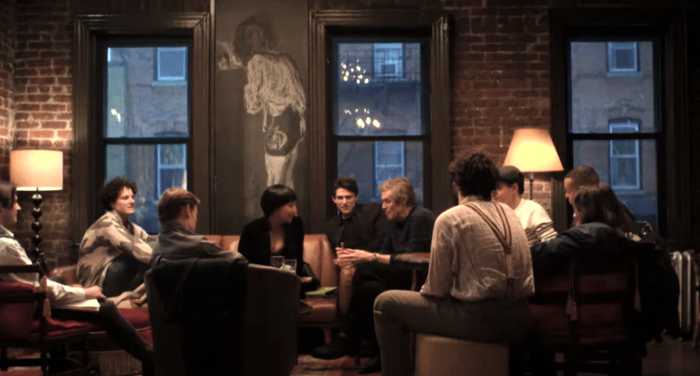
Late Fame by Kent Jones, #NYFF63
NYFF63 상영일정
Sun, Sep 28 12:15 PM Q&A/ Mon, Sep 29 6:15 PM Q&A/ Fri, Oct 3 6:00 PM/ Tue, Oct 7 4:00 PM
https://www.filmlinc.org/nyff2025/films/late-fame
 NYFF63 (3) 칸영화제 황금종려상 수상작 '그저 사고였을 뿐(It Wa...
 NYFF63 (2) 잊혀진 시인 윌렘 데포의 '뒤늦은 명성 (Late Fame)' ...