

33 Keys to Understanding the Korean Wave, Hallyu
#9 In the Land of the Morning Calm
Korea Through the Lens of Abbot Norbert Weber (1925)
*Note to Readers
The columns published in the Zoom section of NYCultureBeat contain selected excerpts—typically the opening paragraphs—from each chapter of the book 33 Keys to Understanding the Korean Wave: Beyond BTS, Parasite, and Squid Game (2025). These previews are meant to introduce the book’s themes and tone.
The complete book—featuring 33 updated chapters and new cultural insights—is available in both paperback and hardcover editions:
Paperback: https://www.amazon.com/dp/B0F7HYLVCL
Hardcover: https://www.amazon.com/dp/B0F7HZ34Y3
© Sukie Park. All rights reserved. These excerpts are for preview purposes only and may not be reproduced in full or redistributed.
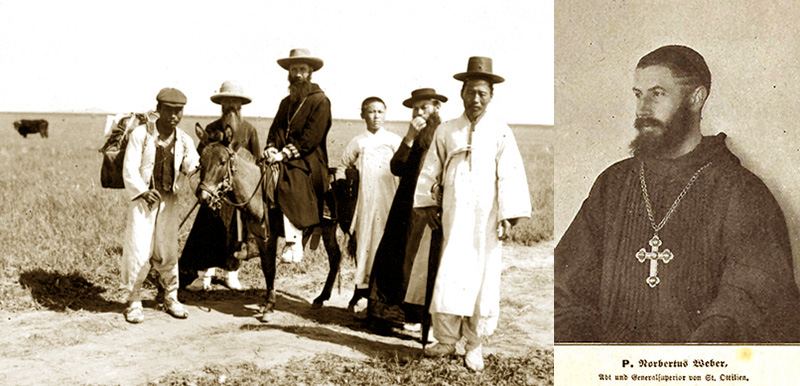
“In the Land of the Morning Calm” (1927) directed by Abbott Norbert Weber (with Korean narration, St. Benedict Waegwan Abbey presentation) / Portrait of Abbot Norbert Weber
https://youtu.be/hSRcqbKzRUY
“When the Germanic peoples were still running around in the forest, Joseon was already a highly cultural people, and it was a country that invented the printing press long before Germany.”
-Abbott Norbert Weber OSB (Order of Saint Benedict) (1870-1956)-
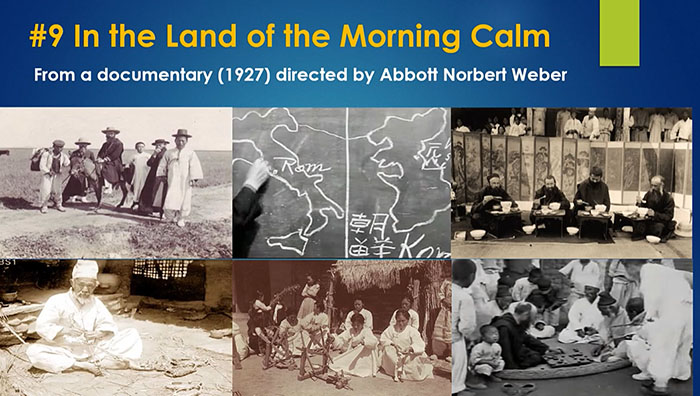
Abbott Norbert Weber from Germany, who was staying in Joseon during the Japanese colonial period, witnessed the beautiful culture of Koreans. He captured familialism and filial piety, funeral customs, exchange of labor, drinking and dancing, weaving, making earthenware jars and straw sandals, temples, and high education enthusiasm and even Hyehwa-dong wineries. The oldest film set in Korea, “In the Land of the Morning Calm” (1927), seems to foreshadow the K-Wave 100 years later.
Part II. Joseon, Corea, Korea 121
9. In the Land of Morning Calm 123
Korea Through the Lens of Abbot Weber 123
Capturing Korea’s Heritage 125
Intimate Portrait of Korea 126
Craftsmanship, Dexterity, and Spirituality 127
Beyond Faith 129
The Country Never Sleeps 131