

33 Keys to Understanding the Korean Wave, Hallyu
#4 People of Resistance
From the March 1st Movement to the Candlelight Revolution
*Note to Readers
The columns published in the Zoom section of NYCultureBeat contain selected excerpts—typically the opening paragraphs—from each chapter of the book 33 Keys to Understanding the Korean Wave: Beyond BTS, Parasite, and Squid Game (2025). These previews are meant to introduce the book’s themes and tone.
The complete book—featuring 33 updated chapters and new cultural insights—is available in both paperback and hardcover editions:
Paperback: https://www.amazon.com/dp/B0F7HYLVCL
Hardcover: https://www.amazon.com/dp/B0F7HZ34Y3
© Sukie Park. All rights reserved. These excerpts are for preview purposes only and may not be reproduced in full or redistributed.
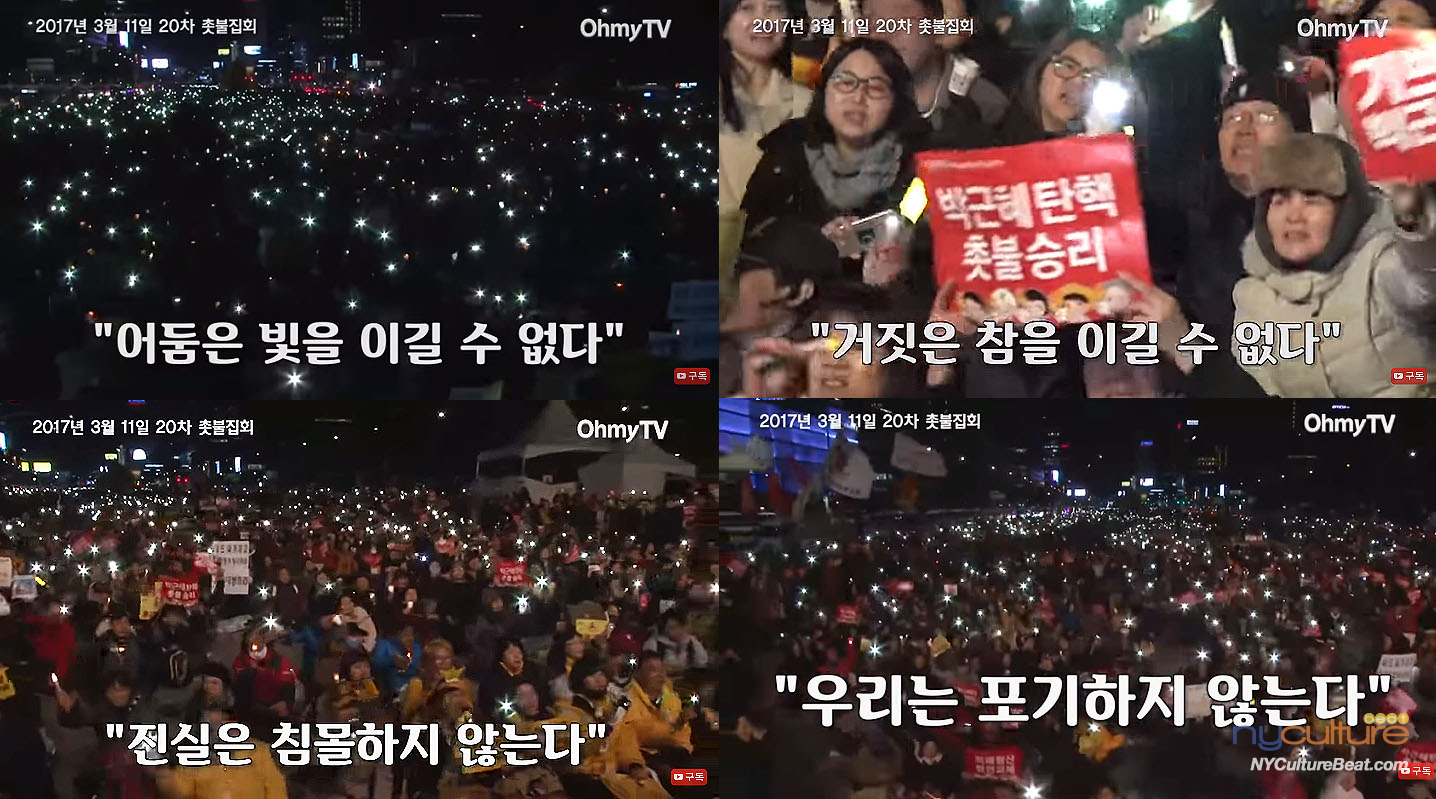
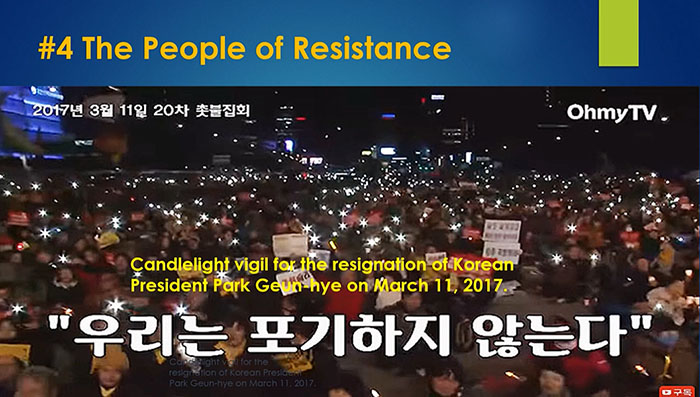
2017. 3. 11. 20th candlelight vigil “Darkness cannot overcome light. Lies cannot overcome truth. The truth does not sink. We do not give up.”
*1st anniversary of candlelight: 3-minute video of Park Geun-hye’s fall, OhmyTV <YouTube>
Koreans are a “resistance nation.” Historically, we have learned to survive, as we have been constantly invaded by neighboring powers. Our people have resisted injustice through independence movements against foreign powers to democratization movements against dictatorship and corruption. The spirit of resistance is in our DNA. It is even said that Koreans’ forte, pièce de résistance (main dish) is overcoming national crisis. The spirit of resistance originated from a consciousness of criticism.
2016-17 Candlelight Revolution
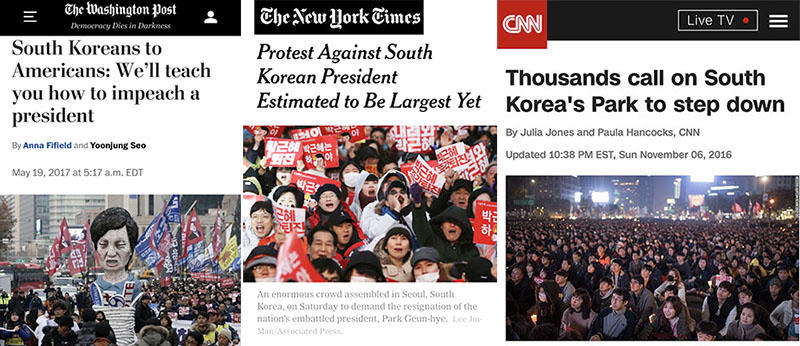
The Washington Post (from left), The New York Times, CNN on the 2017 candlelight protests in Korea.
#Washington Post: I’ll Teach You How to Impeach the President
The Washington Post published on May 19, 2017, two months after the impeachment of President Park Geun-hye (March 10, 2017): “South Koreans to Americans: We’ll teach you how to impeach a president.”
The newspaper reported, “South Koreans know how to impeach a president. Seventeen weeks of peaceful protest, combined with a parliamentary vote and a landmark court decision, led to the dismissal of Park Geun-hye in March amid a massive corruption scandal. Park is now behind bars and being tried on 18 charges, including bribery and extortion.” The paper continued: “Blogs are full of commentary on the similarities between Park and Trump — both took up the mantles of their fathers, both have ‘communication difficulties’ — and the differences in the two countries’ political systems.”
Along with this, the Washington Post emphasized: “This is quite a remarkable development since it was only 30 years ago that South Korea became a democracy while the United States has long considered itself an exemplar of democracy.” In addition, the Korean online community discussed the possibility of exporting their know-how about impeachment to the United States, and cited Kang Shin-ae's comment that “We need to export South Korean knowledge about impeaching a president and how to remove the president peacefully without shedding single drop of blood.”
*South Koreans to Americans: We’ll teach you how to impeach a president <The Washington Post>
4. People of Resistance 38
Cultural Triumphs of 2024 38
The Declaration of Martial Law 38
Resistance and Impeachment 39
K-Democracy: Candlelight, Constitution, and Change 41
'We’ll Teach You How to Impeach a President' 42
'Protests Are Peaceful and Festive' 43
German Human Rights Award to Koreans 43
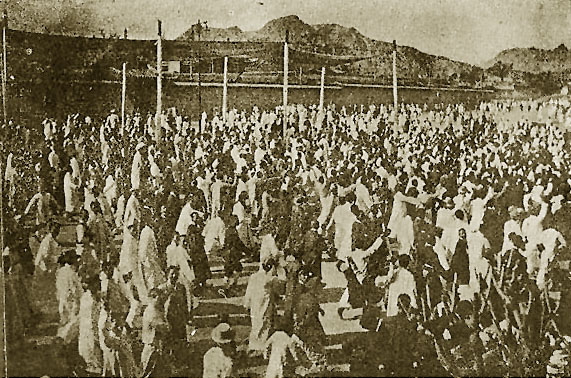
Korean History of Resistance 44
March 1st Independence Movement, 1919 45
3·1 Echoes Worldwide 47
NYT: The Obituary of Yu Gwan-sun in 2018 50
May 18 Gwangju Uprising, 1980 51
June 1987 Democratic Uprising 55
2008 U.S. Beef Candlelight Protests 57
Korea’s Culture of Resistance 59
Forbidden Songs of 1970s 59
Gwangju Uprising and Minjung Art 61
Blacklisted Voices: Bong, Hwang & Han 63
Cinema, Culture, and Critique 64
MissyUSA Speaks Out in NYT 66
Korea: A Legacy of Defiance 66